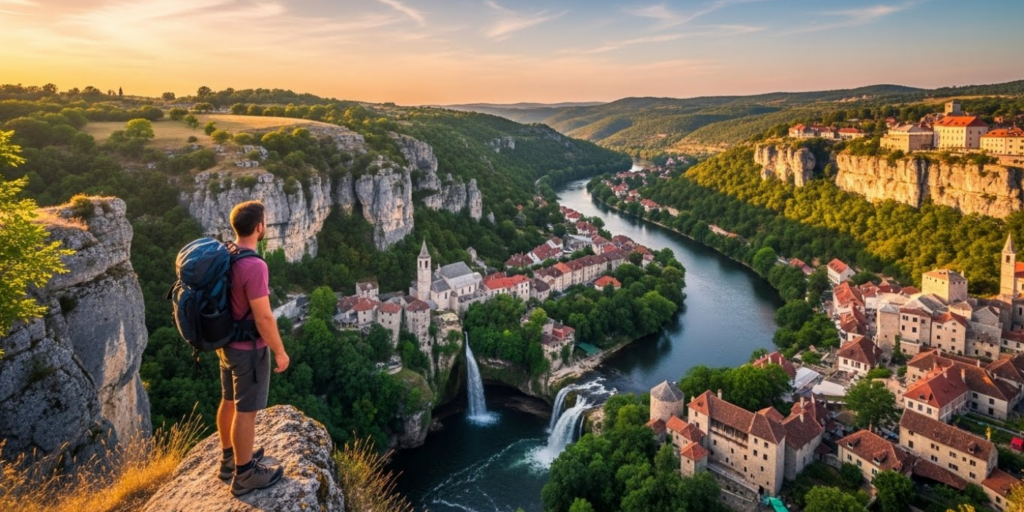
Introduction
Imagine wandering down cobblestone streets where no tour group has ever tread, sipping wine in a family-run cave cellar in a village untouched by Instagram, or watching the sunset over a turquoise lake with no one else in sight. While Paris, Rome, and Barcelona dazzle millions each year, Europe’s true magic often lies just off the beaten path—in hidden gems that offer authenticity, tranquility, and deep cultural richness without the crowds.
But “hidden” doesn’t mean inaccessible or primitive. Many of these places are easily reachable by train, car, or short regional flight—yet remain overlooked by mainstream tourism.
In this guide, we’ll uncover seven extraordinary yet underrated destinations across Europe that blend natural beauty, history, and local charm. From a fairy-tale town in the Balkans to a volcanic island in the Atlantic, each spot promises unforgettable experiences without the stress of long lines or packed hostels.
Whether you’re a solo traveler seeking solitude, a couple craving romance, or a curious explorer hungry for stories beyond the guidebooks, these hidden treasures will redefine what you thought “European travel” could be.
1. Kotor, Montenegro – A Medieval Wonder Nestled in Fjord-Like Beauty

Tucked into the southern end of Europe’s only fjord-like bay, Kotor feels like a secret the Adriatic kept for centuries. Surrounded by steep limestone cliffs and fortified by Venetian-era walls, this UNESCO World Heritage town offers the charm of Dubrovnik—without the cruise ship crowds.
Why it stands out:
- Climb the 1,350 steps of the Kotor Fortress at sunrise for panoramic views of the Bay of Kotor
- Get lost in the maze of alleys lined with centuries-old churches, cats (the town’s unofficial mascots), and hidden courtyards
- Take a boat to Our Lady of the Rocks, a man-made island built from rocks sailors threw into the sea as tribute
Practical perks:
Montenegro uses the euro (though not in the EU), and prices are far lower than neighboring Croatia. A gourmet seafood dinner for two costs around €30, and a boutique guesthouse room runs €50–€80/night.
Insider tip: Visit in May or September—the weather is warm, the water is swimmable, and you’ll avoid both summer crowds and winter closures.
Real comparison: Kotor gives you the drama of the Amalfi Coast with the intimacy of a hilltop village in Tuscany—only with Balkan soul and Ottoman echoes.
2. Sintra, Portugal – A Whimsical Escape Just Outside Lisbon
Yes, Sintra is known—but it’s still vastly underrated as a standalone destination. Most day-trippers rush in and out, missing its deeper magic. But stay overnight, and you’ll have palaces, forests, and misty mountaintops almost to yourself.
Must-sees beyond the crowds:
- Quinta da Regaleira: A mystical estate with secret tunnels, initiation wells, and alchemy symbols
- Monserrate Palace: A romanticist dream with exotic gardens and Moorish arches
- Cabo da Roca: Europe’s westernmost point—dramatic cliffs meeting the Atlantic
Why stay overnight?
By 6 p.m., day-trippers vanish. You’ll enjoy candlelit dinners in quiet squares, moonlit walks through the Pena Park, and morning fog rolling over pastel-colored villas.
Bonus: Sintra is just 30 minutes by train from Lisbon, making it perfect for slow travel—explore the capital, then retreat to this fairy-tale hillside.
Pro move: Skip the touristy pastelarias in town center and head to Tasca da Esquina for modern Portuguese tapas with local wine pairings.
3. Hallstatt, Austria – Yes, It’s Real (And Worth a Strategic Visit)
You’ve seen the photos: alpine peaks, a glassy lake, and pastel houses clinging to cliffs. Hallstatt looks photoshopped—but it’s 100% real. The catch? It’s become a victim of its own beauty, swarmed by day-trippers from Vienna and Salzburg.
How to experience it like a local:
- Arrive before 8 a.m. or stay overnight—the village transforms after day-trippers leave
- Skip the crowded main square and hike the 5 Fingers Viewing Platform for that iconic view without the crowds
- Visit the Hallstatt Salt Mine—one of the world’s oldest, with underground slides and panoramic lake views
Why it’s still worth it:
Despite the hype, Hallstatt’s setting is genuinely breathtaking. And with smart timing, you can enjoy its serenity.
Alternative if you prefer true solitude: Head 20 minutes north to Gosau, a working alpine village with the same mountain-lake backdrop—but zero tourists.
4. Ronda, Spain – Where Cliffs, Bulls, and Romance Collide
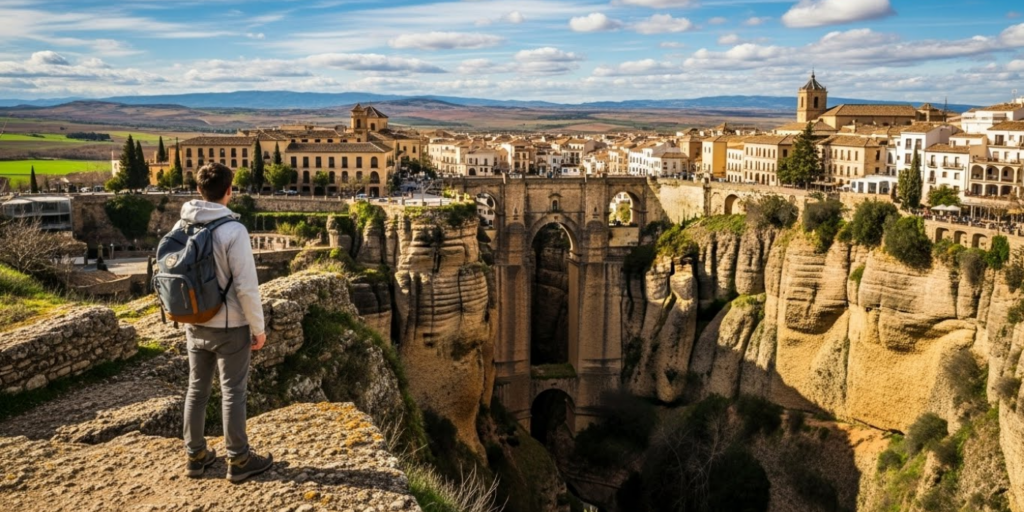
Perched on a 300-foot gorge in Andalusia, Ronda is Spain’s most dramatic town—and one of its most historic. Home to the world’s oldest bullring and a favored retreat of Hemingway, it blends Moorish elegance with rugged Spanish soul.
Unmissable experiences:
- Walk across the Puente Nuevo, the 18th-century bridge spanning the El Tajo gorge
- Sip sherry on a terrace overlooking the cliffs at sunset
- Explore Baños Árabes, one of the best-preserved Moorish bathhouses in Spain
Why it’s overlooked:
Most tourists stick to Seville, Granada, or Córdoba. But Ronda is just 1.5 hours from Málaga by train—perfect for a quiet, romantic getaway.
Cultural note: Ronda is the birthplace of modern bullfighting. Whether you support the tradition or not, the Museo del Bandolero (Bandit Museum) offers fascinating context about the region’s rebellious past.
Stay suggestion: Book a room with a gorge view—many small hotels offer this for under €90/night.
5. Giethoorn, Netherlands – The “Venice of the North” Without the Tourists
Forget Amsterdam’s canals—head to Giethoorn, a car-free village in the Dutch countryside where thatched-roof houses line silent waterways. Here, the only traffic jams are caused by swans.
How to explore:
- Rent a whisper-quiet electric boat (€20/hour) and glide under arched bridges
- Bike along grassy paths to hidden gardens and farm cafés serving poffertjes (mini pancakes)
- Visit in early spring when the gardens bloom with thousands of tulips
Why it’s special:
Giethoorn feels like stepping into a watercolor painting. There are no souvenir shops or loud bars—just peace, ducks, and the gentle splash of oars.
Travel tip: It’s just 90 minutes from Amsterdam by train + bus, making it an ideal day trip for those craving nature and calm.
6. Český Krumlov, Czech Republic – A Medieval Time Capsule
Often called “Prague without the crowds,” Český Krumlov is a UNESCO-listed town so perfectly preserved, it looks like a movie set. The Vltava River curves around a castle complex that dates back to the 13th century.
Highlights you can’t miss:
- Climb the castle tower for a view over red rooftops and river bends
- Attend a Baroque theater performance in the castle’s original 18th-century theater
- Float down the river on a rental raft in summer (yes, really!)
Best time to visit: April–June or September–October—mild weather, fewer people, golden light for photos.
Local secret: Try trdelník (chimney cake) from a bakery outside the main square—it’s cheaper and just as delicious.
Accessibility: Just 2.5 hours by bus from Prague, yet feels worlds away.
7. San Marino – Europe’s Oldest Republic, Hidden in Plain Sight
Clinging to the slopes of Mount Titano, San Marino is the world’s fifth-smallest country—and one of its most overlooked. Surrounded entirely by Italy, this microstate offers panoramic views, medieval towers, and tax-free shopping.
Why visit?
- Walk the Three Towers of San Marino, connected by scenic ramparts
- Get your passport stamped at the tourist office (a fun souvenir!)
- Enjoy Italian-quality food at lower prices (no VAT on many goods)
Surprising fact: San Marino has been independent since 301 AD—longer than any other nation in Europe.
How to get there: Take a 2-hour train from Bologna or Rimini, then a cable car up the mountain. It’s doable as a day trip—but staying overnight lets you enjoy the town in magical evening silence.
Bonus Tips for Visiting Hidden Gems Responsibly
As these places gain attention, overtourism becomes a real threat. Be a mindful traveler:
- Stay in locally owned guesthouses, not international chains
- Eat at family-run trattorias, not restaurants with picture menus outside
- Respect “no photo” signs at religious or sacred sites
- Leave no trace—especially in natural areas like Giethoorn or the Kotor hills
Remember: The goal isn’t to “discover” a place before anyone else—it’s to connect with it respectfully so it remains beautiful for generations.
Conclusion: Go Beyond the Postcard
Europe’s hidden destinations aren’t just alternatives to crowded hotspots—they’re invitations to travel more slowly, listen more deeply, and engage more authentically. Whether you’re sipping wine in a Sintra cellar, rowing through Giethoorn’s mirror-like canals, or watching eagles circle above Ronda’s gorge, these places remind us why we fell in love with travel in the first place.
You don’t need to trek to remote corners to find magic. Sometimes, it’s just a train ride away—hidden in plain sight, waiting for curious travelers who dare to turn off the main path.
So next time you plan a European trip, consider swapping one famous city for a quiet village. Trade a selfie with the Eiffel Tower for a sunrise hike in the Balkans. Your soul—and the locals—will thank you.
Now we’d love to hear from you: Have you visited any of these hidden gems? Or do you have a secret European favorite we missed? Share your story in the comments below! And if this list inspired your next adventure, pass it on to a fellow traveler who believes the best journeys begin where the crowds end. Happy exploring!

Michael Thompson is an enthusiast of travel, restaurants, financial freedom, and personal performance. He enjoys discovering new destinations and exploring local cuisine while constantly working on self-improvement and independence. For Michael, life is about creating meaningful experiences, growing every day, and building a lifestyle that combines freedom, discipline, and curiosity.