You’ve booked your flight, researched the best local dishes, and packed your favorite walking shoes. The excitement is real—but so is the responsibility of staying safe in a place where you don’t know the language, the laws, or the layout. The truth is, millions of people travel internationally every year without incident, but a little preparation goes a long way in preventing problems before they start.
Travel safety isn’t about fear—it’s about awareness, respect, and smart habits that let you explore the world with confidence. Whether you’re backpacking through Southeast Asia, taking a romantic trip to Italy, or visiting family overseas, knowing how to protect your health, your belongings, and your personal space makes all the difference.
In this guide, you’ll learn practical, field-tested tips used by frequent travelers, expats, and safety experts to stay secure abroad. We’ll cover everything from digital precautions (like securing your phone and avoiding sketchy Wi-Fi) to on-the-ground strategies (like blending in and trusting your gut). You’ll also discover how to prepare for emergencies without letting anxiety steal your joy.
Because the goal isn’t to hide from the world—it’s to experience it fully, wisely, and safely.
Before You Go: The Power of Preparation
Most travel safety starts long before you board the plane. A few hours of prep can prevent days of stress—or worse.
1. Register with Your Government
U.S. travelers should enroll in the Smart Traveler Enrollment Program (STEP) through the U.S. Department of State. It’s free, and it ensures you’ll receive safety alerts and makes it easier for the embassy to assist you in an emergency. Other countries offer similar programs (e.g., the UK’s FCDO Travel Advice).
2. Make Digital and Physical Copies
Scan your:
- Passport
- Visa
- Travel insurance
- Credit cards
- Vaccination records
Email them to yourself, store them in a secure cloud folder, and leave a printed copy with a trusted friend. Also, keep a photocopy of your passport ID page in your bag (separate from the original).
3. Research Local Norms and Laws
What’s polite in one country can be offensive—or even illegal—in another. In Singapore, chewing gum is restricted. In Dubai, public displays of affection can lead to fines. A quick search for “cultural etiquette in [country]” or “laws tourists should know” can save you from accidental trouble.
4. Get Travel Insurance
Don’t skip this. A good policy covers medical emergencies, trip cancellations, lost luggage, and even evacuation. World Nomads and Allianz are reputable, flexible options for short-term trips.
As the saying goes: “Hope for the best, prepare for the worst.” Smart travelers do both.
Protect Your Belongings: Avoiding Theft and Scams
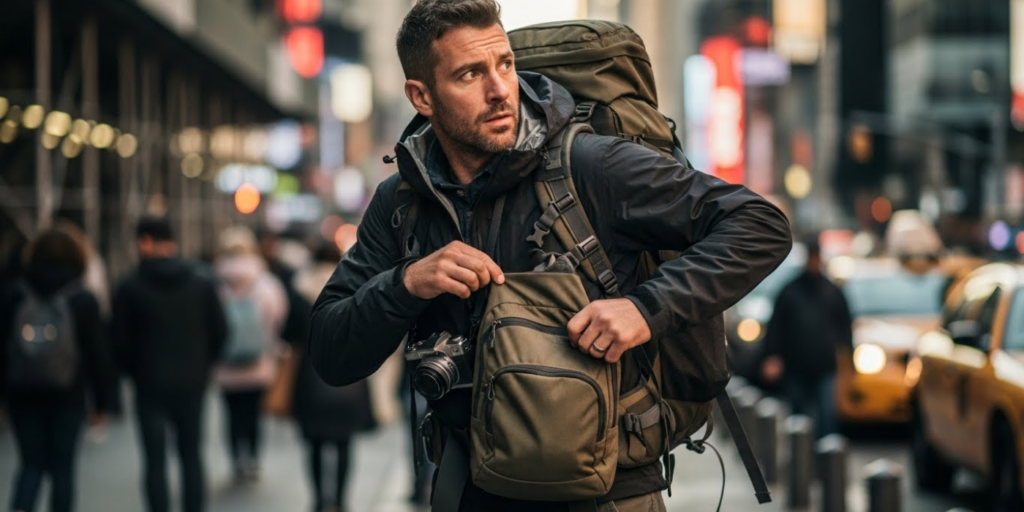
Pickpocketing and scams are among the most common issues travelers face—but they’re also highly preventable.
Use Anti-Theft Gear:
- Crossbody bag with slash-proof straps and RFID-blocking pockets
- Hidden money belt or neck pouch for passports and emergency cash
- Lockable luggage with TSA-approved locks
Practice “Decoy Wallet” Strategy:
Carry a cheap wallet with a small amount of cash and expired cards. If confronted, hand it over—your real cards and cash stay hidden.
Common Scams to Watch For:
- “Friendly” strangers offering unsolicited help or inviting you to a “local gem” (often a commission-based trap)
- Fake petitions—someone blocks your path asking you to sign; while you’re distracted, an accomplice picks your pocket
- Overcharging taxis—always insist on using the meter or agree on a fare before getting in
In Crowded Areas:
- Keep your bag in front of you on buses, markets, and subways
- Avoid setting your phone or wallet on café tables
- Be extra cautious during festivals or protests—distractions are a thief’s best friend
Remember: Blend in, not stand out. Leave flashy jewelry and designer logos at home. Dress like a respectful local, not a walking advertisement for your wealth.
Stay Connected—Without Risking Your Privacy
Staying in touch is important, but free Wi-Fi and public devices can be dangerous.
Use a VPN (Virtual Private Network)
When connecting to airport or café Wi-Fi, never access banking or personal accounts without a VPN. Apps like NordVPN or ExpressVPN encrypt your data, making it unreadable to hackers.
Enable Two-Factor Authentication (2FA)
On email, banking, and social media accounts. That way, even if someone gets your password, they can’t log in without your phone.
Get a Local SIM or International Plan
Relying on public Wi-Fi leaves you vulnerable and disconnected in emergencies. A local SIM (often under $10) gives you data, maps, and the ability to call for help. Many airports have official kiosks right after baggage claim.
Share Your Itinerary
Use apps like Google Maps Timeline or TripIt to share your location in real time with a trusted contact. Some phones also offer “Share My Location” features for temporary tracking.
And never post in real time on social media (“Just arrived at my Bali villa!”). Wait until you’ve left the location. You don’t want strangers knowing your empty hotel room is unattended.
Trust Your Gut—and Know How to Respond in Emergencies
Your intuition is your best safety tool. If something feels “off,” it probably is.
Listen to Your Inner Voice:
If a neighborhood feels uneasy, a driver seems suspicious, or an invitation feels pushy—walk away. It’s better to be “rude” than regretful.
Learn Key Phrases:
Even in English-friendly places, knowing how to say:
- “Help!”
- “Where is the police station?”
- “I need a doctor”
…in the local language can be lifesaving. Save them in your phone or a notebook.
Know Emergency Numbers:
The U.S. emergency number (911) doesn’t work everywhere. In most of Europe, it’s 112. In Thailand, 191. Save local emergency contacts in your phone before you go.
If You Lose Your Passport:
- File a police report (required for replacement)
- Contact your nearest embassy or consulate
- Use your digital copy to speed up the process
If You’re Harassed or Followed:
- Enter a shop, hotel, or restaurant—staff can often help
- Call your hotel or a ride-share service to pick you up
- Don’t confront aggressively—prioritize de-escalation and escape
Most importantly: You are not obligated to be polite in unsafe situations. Your safety > social expectations.
Health and Wellness: Don’t Forget the Basics
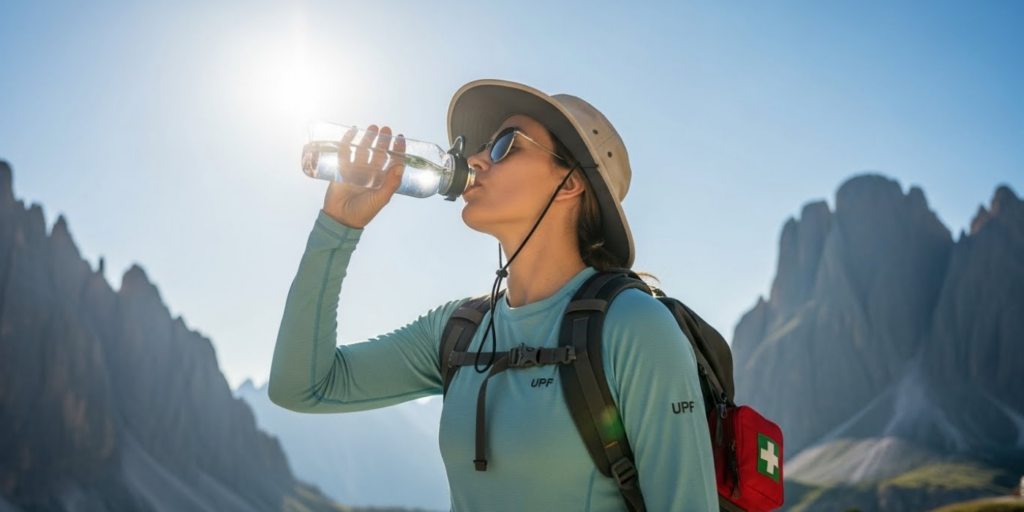
Physical safety includes your health. A stomach bug or heatstroke can ruin a trip—or worse.
Pack a Travel Health Kit:
- Prescription medications (in original bottles)
- Imodium, rehydration salts, pain relievers
- Antiseptic wipes, bandages, tweezers
- Hand sanitizer and face masks (useful in crowded transit)
Drink and Eat Safely:
- Only drink bottled or purified water—avoid ice unless you’re sure it’s made from safe water
- Eat food that’s piping hot or peelable (bananas, oranges)
- Avoid raw salads in areas with questionable water sanitation
Protect Against Insects:
In tropical regions, use DEET-based repellent and consider permethrin-treated clothing to prevent mosquito-borne illnesses like dengue or malaria.
Stay Hydrated and Rested:
Jet lag and exhaustion lower your awareness. Give yourself grace on day one—nap, hydrate, and ease into exploration.
Your body is your vehicle through this adventure. Treat it with care.
Final Thoughts: Confidence Through Caution
Staying safe abroad isn’t about living in fear—it’s about traveling with eyes open and heart engaged. The vast majority of your journey will be joyful, awe-inspiring, and smooth. But by preparing wisely, you give yourself the freedom to say “yes” to spontaneous dinners, mountain hikes, and midnight strolls—without unnecessary risk.
The world is generous to those who approach it with respect, humility, and a little smart planning. So pack your curiosity, your kindness, and these safety habits—and go meet it.
What’s your best travel safety tip? Have you ever avoided a problem thanks to a simple habit? Share your story in the comments below—your advice might help another traveler explore the world with confidence!

Michael Thompson is an enthusiast of travel, restaurants, financial freedom, and personal performance. He enjoys discovering new destinations and exploring local cuisine while constantly working on self-improvement and independence. For Michael, life is about creating meaningful experiences, growing every day, and building a lifestyle that combines freedom, discipline, and curiosity.