Introduction
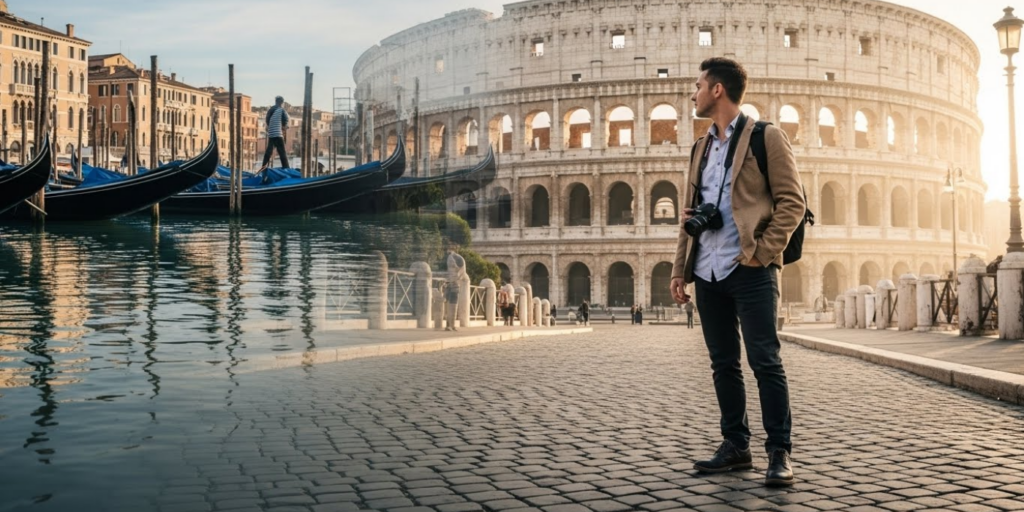
Picture this: You’re sipping espresso at a sun-drenched café in Rome, the Colosseum glowing golden in the distance. Later, you’re strolling hand-in-hand along Venice’s quiet canals as gondolas drift by. And by the weekend, you’re lounging on the Amalfi Coast, lemon groves clinging to cliffs above turquoise water. Sounds like a dream? It doesn’t have to be.
Italy packs more art, history, food, and natural beauty into one country than most continents—and yes, you can experience its highlights in just seven days. While a week isn’t enough to see it all (what is?), it’s absolutely enough to fall head-over-heels in love.
In this guide, we’ve crafted a balanced, realistic, and deeply rewarding one-week Italy itinerary that blends iconic sights with authentic moments. You’ll move smoothly between three unforgettable destinations—Rome, Florence, and Venice—without exhausting yourself on trains or missing the soul of each place. We’ll include exact travel times, must-see sights, local food stops, and practical tips to help you skip lines, save money, and savor la dolce vita. Pack your appetite—and your most comfortable shoes—because la bella Italia awaits.
Day 1–2: Rome – Where Ancient History Meets La Dolce Vita
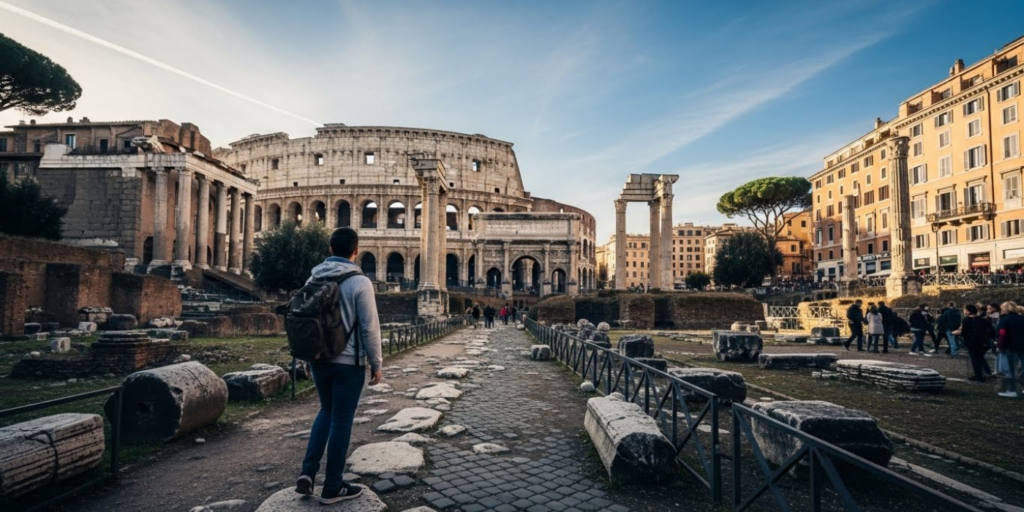
Start your journey in Rome, Italy’s vibrant capital, where 3,000 years of history unfold around every corner—and gelato shops are never more than a block away.
Day 1: Ancient Rome & Evening Charm
- Morning: Visit the Colosseum, Roman Forum, and Palatine Hill (book a skip-the-line ticket online—lines can stretch 2+ hours).
- Lunch: Grab a slice of pizza al taglio (by the slice) near the Forum.
- Afternoon: Toss a coin in the Trevi Fountain, then wander through Piazza Navona and the Pantheon (free entry; closes at 7:30 p.m.).
- Evening: Dine in Trastevere, Rome’s most picturesque neighborhood. Try cacio e pepe or amatriciana at a family-run trattoria.
Day 2: Vatican City & Roman Rooftops
- Morning: Explore the Vatican Museums, Sistine Chapel, and St. Peter’s Basilica (again, book ahead—this is non-negotiable).
- Lunch: Eat near the Vatican (avoid restaurants with photos of food outside—opt for places filled with locals).
- Afternoon: Climb the dome of St. Peter’s or enjoy panoramic views from Gianicolo Hill.
- Evening: Stroll through Villa Borghese park or sip an Aperol spritz at a rooftop bar like Terrazza Borromini.
Travel tip: Rome is best explored on foot. Stay in Centro Storico, Trastevere, or Monti for walkable access to major sights.
Rome isn’t just a city—it’s a living museum where every cobblestone tells a story.
Day 3–4: Florence – Art, Architecture, and the Heart of Tuscany
Take a 90-minute high-speed train (Frecciarossa or Italo) from Rome to Florence, the cradle of the Renaissance. Smaller and more intimate than Rome, Florence rewards slow, curious wandering.
Day 3: Masterpieces & Market Bites
- Morning: See Michelangelo’s David at the Accademia Gallery (book tickets weeks in advance—time slots sell out).
- Lunch: Sample lampredotto (Florentine street food) or fresh pasta at Mercato Centrale.
- Afternoon: Climb the Duomo’s dome (463 steps—but the view is unmatched) or admire Brunelleschi’s engineering genius from the ground.
- Evening: Watch sunset from Piazzale Michelangelo, then dine on bistecca alla fiorentina (Florentine steak) in Santo Spirito.
Day 4: Day Trip or Deep Dive
Option A (Culture Lover): Visit the Uffizi Gallery (Botticelli, Leonardo, Caravaggio) and the Pitti Palace.
Option B (Nature & Wine): Take a short train to Chianti or Siena for vineyard tours and hilltop views.
Travel tip: Florence is compact—almost everything is walkable. But wear very comfortable shoes; the streets are steep and cobbled.
In Florence, beauty isn’t just in museums—it’s in the light on the Arno River, the scent of leather workshops, and the rhythm of daily life.
Day 5–6: Venice – A Fairytale Built on Water
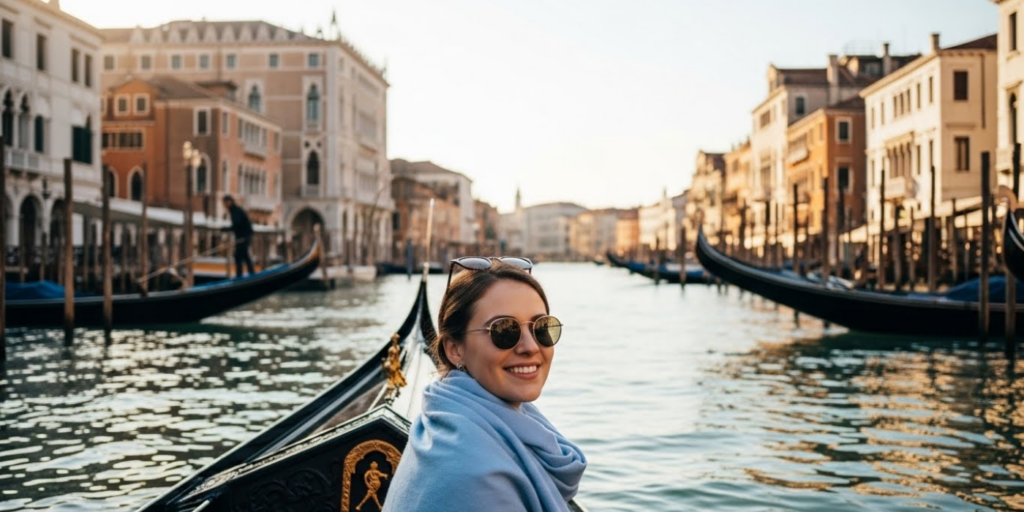
From Florence, take a 2-hour high-speed train to Venice (Santa Lucia station). Leave logic at the mainland—Venice runs on tides, not traffic.
Day 5: Grand Canal & Hidden Alleys
- Morning: Take a vaporetto (water bus) down the Grand Canal—it’s cheaper than a gondola and just as scenic.
- Stop at Rialto Market for fresh produce and local chatter.
- Visit Rialto Bridge, then get intentionally lost in the sestiere of Cannaregio—Venice’s most authentic neighborhood.
- Lunch: Cicchetti (Venetian tapas) and spritz at a bacaro (wine bar).
- Afternoon: Tour Doge’s Palace and cross the Bridge of Sighs.
- Evening: Dine near Campo Santa Margherita—less touristy, more local.
Day 6: Islands or Iconic Views
Option A: Take a boat to Burano (colorful houses) and Murano (glass-blowing demos).
Option B: Climb the Campanile di San Marco for 360° views, then relax in Giardini della Biennale.
Travel tip: Avoid gondola rides during the day (€80+ for 30 minutes). If you must, go at sunset—but know it’s a splurge, not a necessity. Instead, take the #1 vaporetto loop for €7.50 and see the same sights.
Venice isn’t just a city—it’s a poem written in water, light, and stone.
Day 7: Return or Extend – Making the Most of Your Final Hours
Your final day depends on your flight schedule:
- Early flight? Head straight to Venice Marco Polo Airport via Alilaguna water bus (75 mins) or taxi boat (30 mins, ~€120).
- Afternoon/evening flight? Enjoy a leisurely morning:
- One last cappuccino at a canal-side café
- Pick up small souvenirs: Murano glass, Venetian masks, or lemon-infused olive oil
- Take one last stroll with no agenda—just soak it in
Pro move: If you have extra time or flexibility, consider replacing Venice with the Amalfi Coast (fly into Naples, train to Sorrento). But for first-timers, the Rome–Florence–Venice triangle offers the most iconic Italian experience with smooth logistics.
Logistics Made Simple: Trains, Tickets, and Timing
To keep your week stress-free, plan these details ahead:
🚄 Trains:
- Rome → Florence: 1.5 hrs (~$25–40 one-way)
- Florence → Venice: 2 hrs (~$30–50 one-way)
- Book on: italiarail.com or trenitalia.com
- Tip: Choose “Base” fare for high-speed trains—cheaper if booked early.
🎟️ Attraction Tickets:
- Colosseum + Forum: €24 (includes 2-day access)
- Vatican Museums: €27 with reservation
- Accademia (David): €20 + booking fee
- Uffizi: €25 + booking
- Pro tip: Consider the Omnia Vatican Card or Firenze Card if visiting multiple sites.
🏨 Where to Stay:
- Rome: Hotel Artemide (mid-range), The Fifteen Keys (boutique)
- Florence: Hotel Spadai, Plus Florence (budget-friendly)
- Venice: Hotel Moresco (Dorsoduro), Ca’ Sagredo (splurge)
🍝 Eat Like a Local:
- Avoid restaurants near major attractions
- Look for places with Italian menus only and locals inside
- Lunch is often cheaper than dinner—and just as delicious
Planning ahead saves time, money, and precious vacation energy.
Why This Itinerary Works: Balance, Flow, and Authenticity
This 7-day route avoids common pitfalls:
- ❌ Too many cities (no exhausting 4-city sprints)
- ✅ Just enough time in each place to feel oriented, not rushed
- ✅ Efficient travel (high-speed trains link cities seamlessly)
- ✅ Mix of iconic sights and local life (not just photo ops)
You’ll see the big three—Rome’s power, Florence’s art, Venice’s romance—but also taste, hear, and feel the real Italy: the espresso ritual, the church bells at dusk, the laughter over shared plates.
This isn’t a checklist trip. It’s an invitation to fall in love.
Conclusion
A perfect one-week Italy itinerary isn’t about seeing everything—it’s about experiencing the essence of la dolce vita with heart, not haste. By focusing on Rome, Florence, and Venice, you’ll journey through layers of history, art, and flavor that have shaped Western civilization—all while enjoying world-class food, stunning vistas, and moments of pure magic.
So go ahead: book your train tickets, reserve those museum slots, and pack that extra space for pasta (and maybe a leather journal). Italy doesn’t just welcome travelers—it embraces them.
We’d love to hear from you! Have you followed a similar route? What was your favorite moment—eating gelato in Rome, seeing David in Florence, or getting lost in Venice? Share your tips or dream additions in the comments below. And if this guide helped you plan your Italian adventure, pass it on to a fellow traveler who’s ready to say “Ciao!” to the trip of a lifetime. Buon viaggio!

Michael Thompson is an enthusiast of travel, restaurants, financial freedom, and personal performance. He enjoys discovering new destinations and exploring local cuisine while constantly working on self-improvement and independence. For Michael, life is about creating meaningful experiences, growing every day, and building a lifestyle that combines freedom, discipline, and curiosity.