Introduction
You’ve packed your passport, charged your phone, and mapped out your itinerary—but have you planned for your health? Whether you’re flying across the globe for 18 hours or road-tripping for days on end, long journeys can take a surprising toll on your body and mind. From jet lag and deep vein thrombosis (DVT) to digestive issues and immune dips, travel stress is real.
Yet with a few smart habits, you can arrive at your destination feeling energized, not exhausted. Staying healthy on the road isn’t about perfection—it’s about intentional choices that protect your energy, immunity, and well-being.
In this guide, we’ll walk you through practical, science-backed strategies to stay healthy during long trips. You’ll learn how to move your body in cramped spaces, eat wisely on the go, sleep better across time zones, and avoid common travel illnesses—all without turning your journey into a chore. Whether you’re a frequent flyer or a once-a-year vacationer, these tips will help you travel smarter and feel your best from departure to homecoming.
Because the most memorable trips aren’t just about where you go—they’re about how you feel while you’re there.
1. Move Often to Prevent Blood Clots and Stiffness
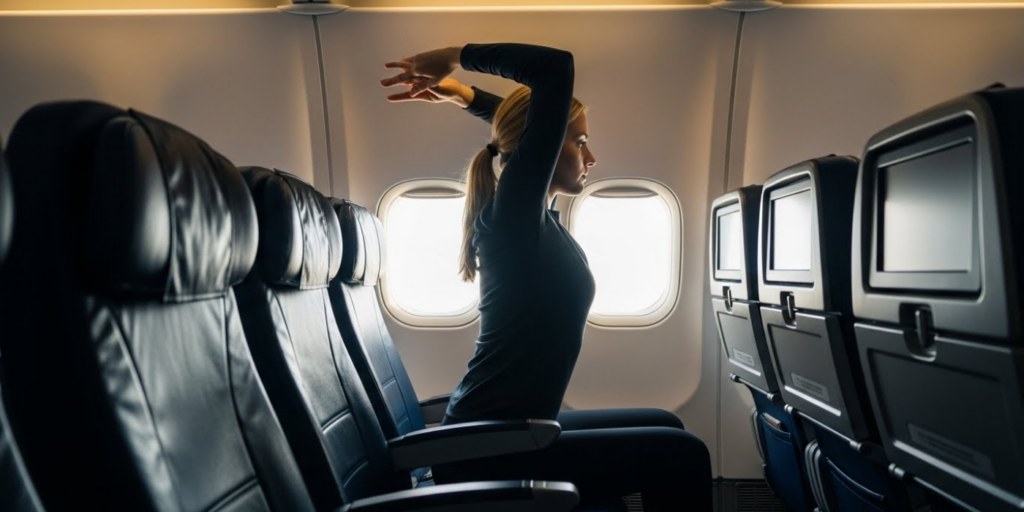
Sitting still for hours—even in business class—is one of the biggest health risks of long travel. Deep vein thrombosis (DVT), a potentially serious condition where blood clots form in the legs, affects an estimated 1 in 4,500 long-haul travelers, according to the CDC. But even if you’re not at high risk, stiffness, swelling, and back pain are common complaints.
The fix? Move—frequently and intentionally.
In-flight or on the road:
- Every 60–90 minutes, stand up and walk (if possible). On planes, pace the aisle; on road trips, stop every 2 hours to stretch.
- Do seated exercises: Ankle circles, calf raises, knee lifts, and shoulder rolls take seconds but boost circulation.
- Wear compression socks: Graduated compression (15–20 mmHg) helps prevent swelling and DVT—especially on flights over 4 hours.
Pro tip: Set a silent phone alarm to remind you to move. Many travelers forget once they’re immersed in a movie or nap.
Real impact: Travel nurse Lena R. swears by this routine: “I do 2 minutes of seated yoga every hour. I arrive without swollen ankles or lower back pain—while my seatmates groan getting off the plane.”
Movement isn’t just physical—it keeps your energy and mood elevated, too.
2. Hydrate Smartly (It’s Not Just About Water)
Airplane cabins have humidity levels as low as 10–20%—drier than most deserts. This dehydrates your skin, eyes, and mucous membranes, weakening your first line of defense against germs.
But hydration isn’t just about chugging water. What you drink—and avoid—matters just as much.
Do:
- Drink 8 oz of water per hour of flight time. Start hydrating 24 hours before departure.
- Bring an empty reusable bottle through security and fill it at a water station.
- Choose herbal teas or electrolyte-enhanced water (like Liquid IV or Nuun) for better absorption.
Avoid:
- Alcohol and caffeine: Both are diuretics that worsen dehydration. Save that cocktail for after landing.
- Sugary drinks: They cause energy spikes and crashes—unhelpful when you’re already fatigued.
Bonus: Use saline nasal spray and hydrating eye drops to combat dryness. A light facial mist can also refresh your skin mid-flight.
Why it works: Proper hydration supports cognitive function, reduces jet lag symptoms, and keeps your immune system alert. As Dr. Elena Torres, a travel medicine specialist, says: “Hydration is your cheapest, most effective travel medicine.”
3. Eat for Energy, Not Just Convenience
Airport food courts and gas station snacks are designed for speed, not nutrition. But what you eat during travel directly impacts your energy, digestion, and immunity.
Smart eating strategies:
- Pack healthy snacks: Nuts, fruit, protein bars (look for <5g sugar), and whole-grain crackers travel well and prevent blood sugar crashes.
- Prioritize protein and fiber: These keep you full and stabilize energy—think hard-boiled eggs, hummus packs, or turkey jerky.
- Avoid heavy, greasy meals before or during travel—they slow digestion and increase bloating.
When eating out:
- Choose grilled over fried, veggies over fries, and water over soda.
- In foreign countries, follow the “boil it, cook it, peel it, or forget it” rule to avoid stomach upset.
Jet lag tip: On long flights, time your meals to your destination’s schedule. Eating at local breakfast time, even if it’s nighttime for you, helps reset your body clock faster.
Real-life win: Digital nomad Marco carries a small cooler with pre-portioned meals for road trips: “I don’t arrive hungry and desperate—so I don’t overeat junk.”
Your body runs on fuel. Choose wisely, and you’ll feel stronger, clearer, and more resilient.
4. Protect Your Sleep (and Conquer Jet Lag)
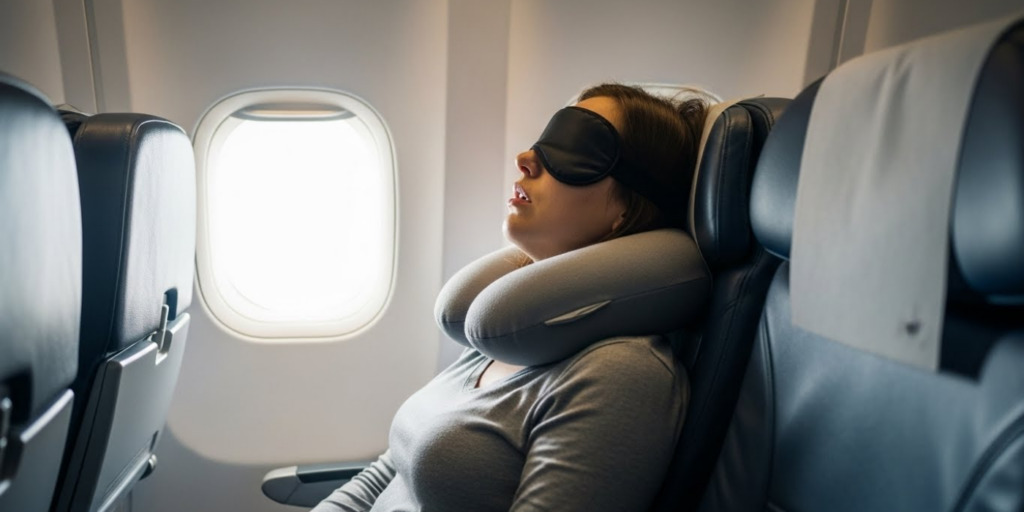
Sleep disruption is one of the most underestimated travel health risks. Poor rest weakens immunity, impairs judgment, and magnifies stress.
On overnight flights:
- Use a sleep kit: Eye mask, earplugs, neck pillow, and melatonin (0.5–3 mg, taken 30 mins before desired sleep time).
- Avoid screens 1 hour before “bedtime”—blue light suppresses melatonin.
- Wear comfortable layers: Temperature fluctuates wildly on planes.
To beat jet lag:
- Shift gradually: If traveling east, go to bed 1 hour earlier each night before departure.
- Get morning sunlight at your destination—it resets your circadian rhythm faster than anything.
- Stay awake until local bedtime (even if exhausted). Napping delays adjustment.
For road trips:
- Never drive drowsy. Stop every 2 hours, even if you don’t “need” to.
- Share driving duties if possible, or schedule drives during your natural alertness peaks.
Science-backed insight: A 2023 study in Sleep Medicine found that travelers who used light exposure + melatonin adjusted to new time zones 2 days faster than those who didn’t.
Sleep isn’t a luxury—it’s your biological anchor. Protect it fiercely.
5. Boost Your Immune Defenses (Without Overdoing It)
Airports and airplanes are germ hotspots—recirculated air, shared surfaces, and hundreds of people from around the world. But you don’t need to live in a bubble.
Simple immune-boosting habits:
- Wash or sanitize hands frequently—especially before eating or touching your face.
- Wipe down surfaces: Use disinfectant wipes on tray tables, armrests, and seatbelt buckles.
- Keep nasal passages moist: Dry mucous membranes = easier viral entry. Use saline spray hourly.
Supplements that help:
- Zinc lozenges (start at first sign of scratchy throat)
- Vitamin D (many travelers are deficient, weakening immunity)
- Probiotics (support gut health—the core of your immune system)
Avoid: Overloading on mega-dose vitamins. Consistency beats extremes.
Mindset matters: Chronic stress suppresses immunity. Practice deep breathing, meditation, or journaling during delays. A calm nervous system is a resilient one.
As immunologist Dr. James Lin notes: “Your best defense isn’t avoiding germs—it’s keeping your body strong enough to handle them.”
6. Listen to Your Body—and Plan Recovery Time
Travel fatigue is cumulative. That “I’ll sleep it off” mindset often leads to burnout by day three of your trip.
Signs you’re pushing too hard:
- Constant low-grade headache
- Irritability or brain fog
- Digestive upset
- Frequent colds
Build in recovery:
- Schedule a light first day—no museum marathons or late dinners.
- Hydrate, nap, and eat a nourishing meal before diving into activities.
- On return home, give yourself 24–48 hours to re-adjust before jumping back into work.
Travel pro tip: Book your first night in a comfortable, quiet hotel—even if you switch later. A good arrival night sets the tone for your whole trip.
Remember: Travel is meant to enrich you, not deplete you. Honor your limits, and you’ll enjoy more—not less.
Conclusion
Staying healthy during long trips isn’t about rigid rules or expensive gadgets. It’s about small, consistent actions that add up: moving your legs, sipping water, choosing a protein snack, protecting your sleep, and washing your hands. These habits don’t just prevent illness—they preserve your energy, mood, and presence, so you can fully experience the joy of travel.
You don’t have to be perfect. Just be mindful. Because the best souvenirs aren’t things you buy—they’re the memories you make while feeling your best.
So next time you travel, pack your healthy habits right alongside your passport. Your future self—relaxed, energized, and ready for adventure—will thank you.
We’d love to hear from you!
What’s your go-to health tip for long journeys? Have you ever avoided jet lag or arrived feeling great thanks to a simple routine? Share your wisdom in the comments below—and if you know a fellow traveler who’s always wiped out after flying, send them this guide. Safe and healthy travels! ✈️💧😴

Michael Thompson is an enthusiast of travel, restaurants, financial freedom, and personal performance. He enjoys discovering new destinations and exploring local cuisine while constantly working on self-improvement and independence. For Michael, life is about creating meaningful experiences, growing every day, and building a lifestyle that combines freedom, discipline, and curiosity.