Introduction
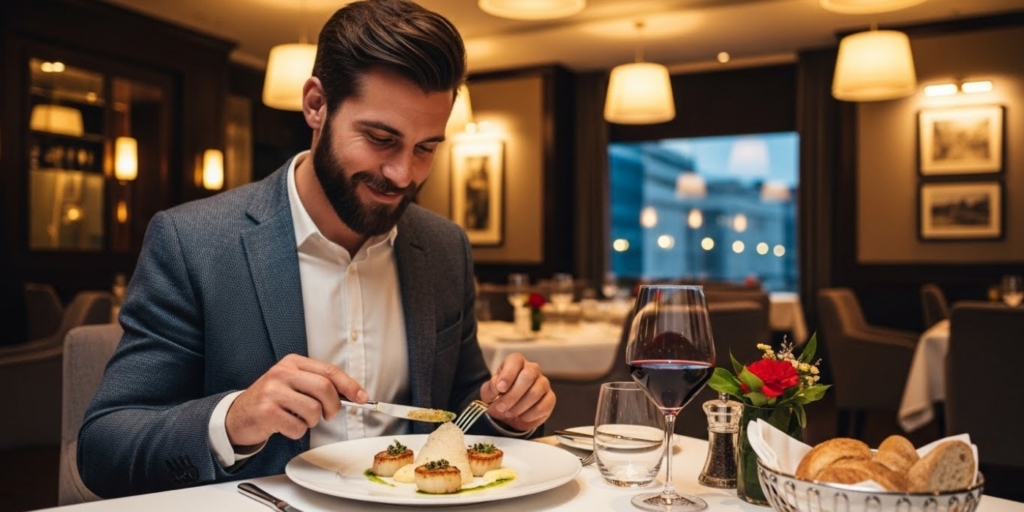
You don’t need a corporate expense account or a trust fund to savor a perfectly seared scallop, a glass of bold Barolo, or a dessert that makes you close your eyes in bliss. Fine dining isn’t just for special occasions—or the ultra-wealthy. With a little strategy and intention, you can experience elevated cuisine, impeccable service, and elegant ambiance without blowing your budget.
The secret? It’s not about cutting corners—it’s about maximizing value, timing your visit wisely, and knowing where the real magic happens (hint: it’s not always in the main dining room). Whether you’re celebrating an anniversary, impressing a date, or simply treating yourself, fine dining can be both luxurious and affordable—if you know how to play it smart.
In this guide, we’ll show you practical, proven ways to enjoy high-end restaurants without overspending. From lunch menus and chef’s counters to wine-by-the-glass tricks and off-night specials, you’ll learn how to get the full experience for a fraction of the price. Because everyone deserves a taste of excellence—without the financial hangover.
1. Choose Lunch Over Dinner—Same Food, Lower Prices
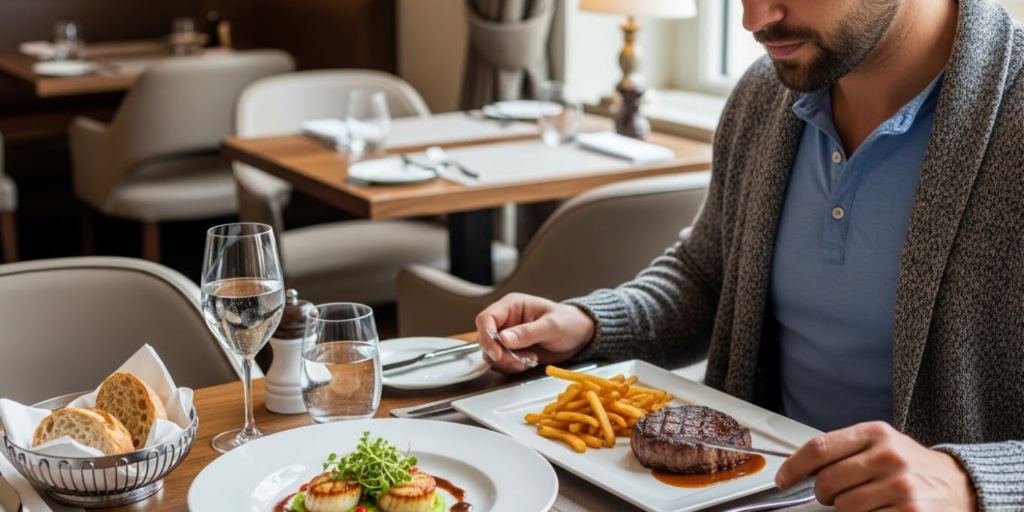
One of the simplest ways to experience fine dining on a budget? Go at lunch instead of dinner.
Many upscale restaurants offer lunch menus that mirror their dinner offerings—same kitchen, same chef, same ingredients—but priced 30–50% lower. Why? Lunch crowds are smaller, and restaurants use midday service to fill seats and showcase their talent without the pressure of evening demand.
Real example:
At Le Bernardin in New York (a Michelin-starred seafood temple), dinner tasting menus start at $298 per person. But at lunch? You can enjoy a three-course prix-fixe for $98—with many of the same signature dishes.
What to look for:
- “Prix-fixe lunch” or “business lunch” menus
- Tasting menus at reduced lunch pricing
- À la carte options that match dinner quality
Bonus: Lunch service is often less rushed, giving you more time to savor each bite. And parking? Usually easier and cheaper.
Pro tip: Call ahead to confirm the lunch menu includes the dishes you’re excited about—some restaurants rotate features.
Lunch isn’t “second best”—it’s fine dining’s best-kept secret.
2. Sit at the Bar or Chef’s Counter for Full-Service at Lower Cost
You don’t need a four-top reservation to enjoy a restaurant’s full menu. Bar seating or chef’s counter spots often offer the same dishes at the same prices—but with added perks.
Many high-end restaurants serve their entire dinner menu at the bar, no reservation required. Plus, bartenders often know the wine list inside out and can recommend perfect pairings by the glass.
Even better: chef’s counters (like at Alinea in Chicago or Sushi Nakazawa in NYC) sometimes offer “counter-only” tasting menus at a lower price than the main dining room—or even à la carte access to signature bites.
Benefits of bar dining:
- No need for hard-to-get reservations
- Often first-come, first-served (walk-ins welcome)
- More casual atmosphere without sacrificing quality
- Opportunity to chat with bartenders or chefs for insider tips
Example: At Benu in San Francisco (3 Michelin stars), the bar offers a rotating selection of à la carte dishes from the tasting menu—like black cod in dashi—for $28–$42, versus $350+ for the full experience.
Etiquette note: Dress neatly (no ripped jeans or flip-flops), and don’t linger excessively if the bar is busy.
Sometimes, the best seat in the house isn’t a table—it’s a stool.
3. Take Advantage of Off-Night and Pre-Theater Specials
Fine dining doesn’t cost the same every night. Restaurants often discount meals on slower days to fill seats.
Tuesday, Wednesday, and Sunday are typically the quietest nights—which means they’re prime for deals. Many upscale spots offer:
- “Early bird” prix-fixe menus (5–6:30 p.m.)
- Wine Wednesdays (half-off bottles)
- Sunday supper specials with family-style platters
- Chef’s tasting menus at reduced prices on off-nights
How to find them:
- Check the restaurant’s Instagram or website for weekly specials
- Sign up for their email list (many send exclusive offers)
- Use apps like Resy or OpenTable and filter by “Special Offers”
Real-life win:
In Chicago, Girl & the Goat offers a $49 three-course dinner on Sundays—versus $85+ on weekends. Same kitchen, same creativity, half the stress on your wallet.
Pro move: Pair an off-night dinner with a discount parking app (like SpotHero) to stack savings.
Fine dining on a Tuesday isn’t a compromise—it’s a strategic win.
4. Order Smart: Skip the Entrée, Focus on Starters and Sides
Here’s a truth fine-dining veterans know: the most creative, flavorful dishes are often the appetizers and sides.
Entrées (like steak or salmon) tend to be expensive and straightforward. But starters? That’s where chefs play—think foie gras torchon, truffle arancini, or heirloom tomato tartare. And sides? Often elevated versions of comfort food (truffle mac and cheese, duck-fat fries) that feel indulgent but cost less.
Try this approach:
- Order 2–3 appetizers and 1 side to share
- Skip the entrée entirely (you’ll likely be full anyway)
- Add one dessert to end on a high note
Why it works:
- You get more variety and creativity
- Total cost is often 20–40% lower than ordering full entrées
- Sharing fosters connection and conversation
Example: At a $$$$ Italian spot, instead of two $42 pastas, order:
- Burrata with heirloom tomatoes ($22)
- Grilled octopus ($26)
- Truffle risotto side ($18)
- Tiramisu to share ($14)
Total: $80 for two vs. $100+ for two entrées and dessert.
You’re not “skimping”—you’re curating a chef’s greatest hits album.
5. Master the Art of Wine Without the Markup
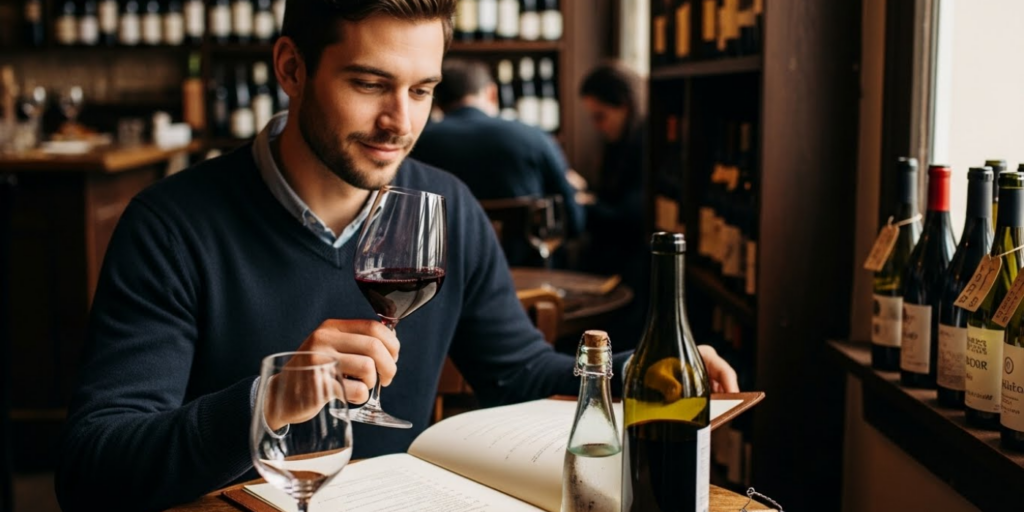
Wine can double your check—but it doesn’t have to. Smart ordering cuts costs without sacrificing experience.
Tactics to try:
- Order by the glass—but choose wisely: Avoid the cheapest or most expensive glass. Sommeliers often select mid-range pours with the best value. Ask, “What’s your favorite under $20/glass?”
- Bring your own bottle (BYOB): Some fine restaurants (especially in states with flexible liquor laws) allow this for a $15–$30 corkage fee. Call ahead to confirm.
- Choose “house” or sommelier’s choice: These are often high-quality bottles the restaurant wants to move—and priced fairly.
- Opt for half-bottles: Perfect for two people and usually lower markup than full bottles.
Bonus: Many restaurants offer wine flights (3–4 small pours) that let you taste premium selections for $25–$40—far less than a full bottle.
Pro tip: Avoid “famous” regions (Napa Cab, Bordeaux) on wine lists—they carry the highest markups. Instead, explore lesser-known gems like Sicilian Nero d’Avola or Oregon Pinot Noir.
Great wine isn’t about the label—it’s about the moment. And you can create that moment for less.
6. Celebrate with Tasting Menus—But Only If They Fit Your Budget
Tasting menus can feel like the ultimate splurge—but they’re not always the best value. Before you commit, ask yourself:
- Are you truly hungry for 8–10 courses?
- Does the menu include dishes you love—or just “chef’s whims”?
- Is there a lunch or off-night version at a lower price?
Smart alternatives:
- À la carte tasting: Some restaurants let you order 3–4 signature dishes as a custom mini-tasting.
- Bar tasting: As mentioned earlier, chef’s counters often offer abbreviated versions.
- Weekend brunch tasting: Many fine spots do luxurious brunches with caviar, champagne, and pastries for $60–$90—far less than dinner.
When it’s worth it: Special occasions (anniversaries, proposals) where the experience matters as much as the food. But for casual indulgence? À la carte or lunch is smarter.
Remember: more courses ≠ better experience. Sometimes, one perfect dish is enough.
Fine Dining Is About Joy—Not Price Tags
At its heart, fine dining isn’t about expense—it’s about attention, care, and craft. It’s the server who remembers your name, the chef who sources heirloom beans, the sommelier who finds wine that sings with your dish. These moments cost nothing extra—but they’re priceless.
When you approach fine dining with curiosity and strategy, you stop seeing it as a luxury and start seeing it as an accessible celebration of human creativity.
Conclusion
You don’t need deep pockets to enjoy the world of fine dining—you need smart choices. By opting for lunch, sitting at the bar, choosing off-nights, ordering creatively, sipping wine wisely, and rethinking tasting menus, you can experience elegance, flavor, and hospitality without overspending. These aren’t hacks—they’re habits of thoughtful diners who know that value isn’t just about price, but about presence.
So next time you crave a special meal, don’t scroll past that dreamy restaurant. Instead, check their lunch menu, call about bar seating, or plan a Wednesday visit. Treat yourself—intelligently.
We’d love to hear from you! What’s your favorite way to enjoy fine dining on a budget? Have you discovered a hidden bar menu or off-night deal? Share your tips or stories in the comments below—and if this guide inspired you to book that meal you’ve been eyeing, pass it on to a friend who believes luxury should be enjoyed, not feared. Bon appétit!

Michael Thompson is an enthusiast of travel, restaurants, financial freedom, and personal performance. He enjoys discovering new destinations and exploring local cuisine while constantly working on self-improvement and independence. For Michael, life is about creating meaningful experiences, growing every day, and building a lifestyle that combines freedom, discipline, and curiosity.