Introduction
Picture this: You return from your dream trip exhilarated—but then you check your bank account and feel a sinking dread. Unexpected meals, taxi rides, and “just one more souvenir” have blown your budget. You had a great time, but the financial hangover lasts weeks.
Here’s the good news: travel doesn’t have to break the bank—or your peace of mind. With a thoughtful, realistic budget, you can explore the world without guilt, stress, or credit card debt.
Creating an efficient travel budget isn’t about restriction—it’s about intentional spending. It’s knowing exactly how much you can spend on that rooftop dinner because you saved on a hostel bed. It’s freedom disguised as planning.
In this guide, we’ll walk you through a step-by-step system to build a smart, flexible travel budget that works for any destination, trip length, or travel style. You’ll learn how to estimate costs accurately, track spending in real time, find hidden savings, and still leave room for spontaneity. Because the best trips are the ones you remember fondly—not the ones you’re still paying off.
Let’s turn your travel dreams into financially sustainable reality.
Step 1: Define Your Trip Goals and Priorities
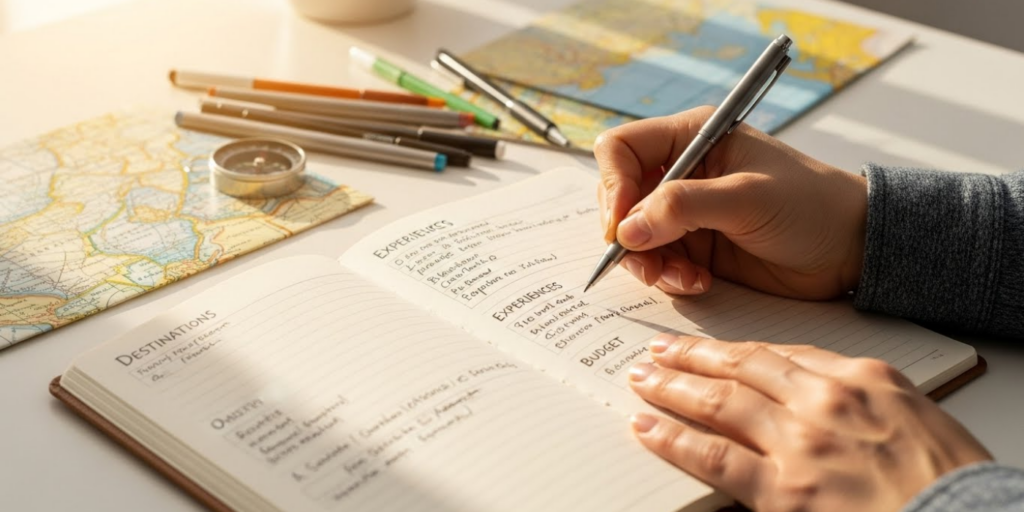
Before you plug numbers into a spreadsheet, ask yourself: What kind of experience do I want?
Your budget should reflect your values—not someone else’s Instagram feed. Do you crave luxury hotel stays with room service? Or are you happy in a hostel as long as you get to hike a volcano? Are you a foodie willing to splurge on local cuisine? Or more interested in free walking tours and museum passes?
Be honest about your priorities. For example:
- If adventure is key, allocate more to activities (zip-lining, diving, trekking guides).
- If relaxation matters most, prioritize accommodation and transport comfort.
- If you’re traveling solo, you might budget more for social hostels or group tours.
- If you’re a digital nomad, include co-working space fees and reliable Wi-Fi.
Pro tip: Use the 80/20 rule. Allocate 80% of your budget to your top 2–3 priorities, and 20% to everything else. This keeps spending aligned with what truly matters to you.
Once you know your focus, it’s easier to say “no” to things that don’t serve your vision—and “yes” to what does.
Step 2: Research and Estimate Realistic Costs
Now, get specific. Accurate research prevents nasty surprises.
Start with the big three:
- Flights – Use Google Flights, Skyscanner, or Kayak. Set price alerts and check nearby airports.
- Accommodation – Compare hostels, Airbnb, hotels, and guesthouses on Booking.com or Hostelworld. Read recent reviews for hidden fees.
- Transportation – Will you rent a car? Use trains? Rely on buses or ride-shares? Check local transit apps or city tourism sites.
Then dig into daily expenses:
- Food: Research average meal costs. In Bangkok, street food may cost $2; in Paris, a café lunch might be $20. Use sites like Numbeo or Expatistan for cost-of-living data.
- Activities: Entrance fees, tours, museum passes—many attractions list prices online.
- Miscellaneous: SIM cards, laundry, tips, souvenirs, travel insurance.
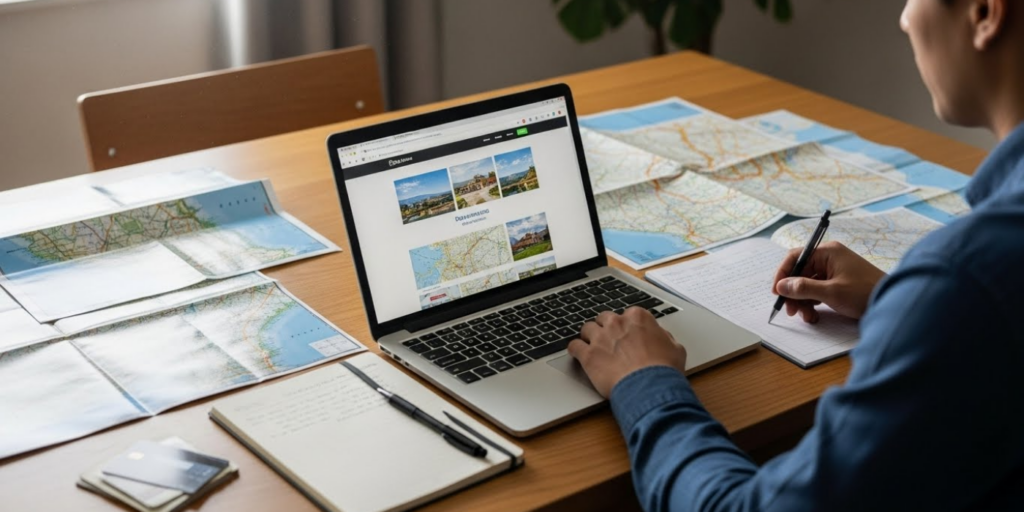
Create a simple spreadsheet with columns for:
- Category
- Estimated cost
- Actual cost (to fill in during the trip)
Don’t forget these often-missed items:
- Airport transfers
- Baggage fees
- Visa or entry fees
- Travel insurance (typically 4–10% of total trip cost)
- Emergency buffer (more on this next!)
Example: A 7-day trip to Lisbon for two might look like:
- Flights: $800
- Airbnb: $700
- Food: $420 ($30/day per person)
- Activities: $200
- Local transport: $60
- Buffer: $150
→ Total: $2,330
This isn’t restrictive—it’s empowering. You know exactly where you stand.
Step 3: Build in a Buffer—and Track as You Go
No matter how meticulously you plan, the unexpected happens. A delayed flight means an extra night’s stay. A local festival makes restaurants pricier. You fall in love with handmade ceramics and have to bring one home.
That’s why every smart travel budget includes a 10–15% buffer. Label it “flex fund” or “spontaneity fund”—not “extra.” This mindset shift turns it from guilt into grace.
But tracking is equally crucial. If you don’t monitor spending, even the best budget fails.
Use one of these simple methods:
- Mobile apps: Trail Wallet, Splitwise, or Trabee Pocket let you log expenses in real time, in local currency.
- Notes app: Create a quick list: “Day 1: Coffee $4, Lunch $12, Metro $3…”
- Envelope system (digital or physical): Allocate cash or card limits per category.
Pro habit: Do a quick 5-minute nightly check-in. Review what you spent, adjust tomorrow’s plan if needed, and celebrate staying on track.
This isn’t about perfection—it’s about awareness. And awareness builds confidence. When you know you’ve spent $45 of your $60 daily food budget, you can choose: splurge on wine or save for tomorrow’s cooking class.
Step 4: Cut Costs Without Sacrificing Experience
Budgeting isn’t about deprivation—it’s about strategic choices that maximize value.
Here are proven ways to save without missing out:
- Travel off-season: Flights and hotels drop 30–50% in shoulder months. Fewer crowds, same beauty.
- Stay outside tourist centers: A 15-minute metro ride can halve accommodation costs.
- Eat like a local: Skip restaurants on main squares. Find lunch specials, street food, or markets. In Italy, “aperitivo” often includes a buffet with drink purchase!
- Use city tourism cards: Many offer free transit + discounted attractions (e.g., Paris Museum Pass, Go City cards).
- Walk or bike: Free, healthy, and often the best way to discover hidden gems.
- Book refundable options early: Lock in prices, then cancel if you find better deals.
Leverage rewards: Use travel credit card points for flights or hotels. Many cards offer sign-up bonuses worth $500+ in free travel.
Most importantly: Focus on free experiences. Hiking, beaches, historic neighborhoods, public art, and people-watching cost nothing—but create the richest memories.
Remember: You’re paying for moments, not just meals or mattresses. A $5 picnic in a Parisian park at sunset beats a $50 dinner in a tourist trap—every time.
Bonus Tips: Budgeting for Different Travel Styles
Your budget should adapt to your travel personality:
- Backpackers: Focus on hostels, buses, and cooking. Allocate more to long-term visas or gear.
- Luxury travelers: Prioritize direct flights, 4–5 star hotels, and private tours—but still set daily limits to avoid overspending.
- Families: Look for free kid activities, apartment rentals with kitchens, and family passes.
- Digital nomads: Include monthly co-working fees, reliable internet, and longer-stay discounts.
Currency tip: Always choose to pay in local currency when using cards abroad—never “dynamic currency conversion” (it’s a hidden fee scam).
And notify your bank before travel to avoid frozen cards. Nothing ruins a budget faster than being stranded without access to funds!
Conclusion
Creating an efficient travel budget isn’t a chore—it’s an act of self-respect and excitement. It transforms travel from a financial gamble into a confident, joyful experience where you’re in control of your choices.
We’ve covered how to align your budget with your priorities, research realistic costs, build in flexibility, and cut expenses without cutting joy. These steps work whether you’re backpacking Southeast Asia on $30 a day or planning a two-week European getaway.
The goal isn’t to spend the least—it’s to spend wisely, so every dollar fuels the experience you truly want.
So before your next trip, take an hour to sketch your budget. Use a template, try a new app, or simply write it on a napkin. That small effort will give you something priceless: the freedom to explore the world—without looking over your shoulder at your bank balance.
Now we’d love to hear from you: What’s your best travel budgeting hack? Have you ever saved money in a creative way while traveling? Share your tip or your biggest budget win in the comments below—your insight could help a fellow traveler turn their dream trip into reality! 🌍✈️💰

Michael Thompson is an enthusiast of travel, restaurants, financial freedom, and personal performance. He enjoys discovering new destinations and exploring local cuisine while constantly working on self-improvement and independence. For Michael, life is about creating meaningful experiences, growing every day, and building a lifestyle that combines freedom, discipline, and curiosity.