Introduction
Imagine standing in front of the Eiffel Tower—only to be drenched in a sudden downpour. Or arriving in Bali to find every beach packed with spring breakers. Or booking a safari in Kenya… during the rainy season, when the roads are impassable.
Timing isn’t everything in travel—but it’s almost everything. The same destination can feel like paradise one month and a frustrating mess the next. Yet too many travelers pick dates based on convenience alone, only to face sky-high prices, sweltering heat, or closed attractions.
The good news? You don’t need insider knowledge or luck to get timing right. With a few smart questions and reliable resources, you can pinpoint the ideal window for your perfect trip—whether you crave sunny skies, cultural festivals, budget savings, or peaceful solitude.
In this guide, we’ll give you a step-by-step framework to choose the best time to visit any destination in the world. You’ll learn how to decode weather patterns, avoid overtourism, align with local events, and match your trip to your personal travel style.
Because the right timing doesn’t just improve your vacation—it can transform it.
1. Start With Your “Why”: What Do You Want From This Trip?

Before you even look at a calendar, ask: What kind of experience am I seeking?
Your answer shapes everything.
- Want beach relaxation? You’ll prioritize dry, warm weather.
- Dreaming of skiing or northern lights? You need winter darkness and snow.
- Planning a cultural pilgrimage? Festival seasons might be worth the crowds.
- Seeking peace and quiet? You’ll avoid school holidays and peak seasons.
Real-life example: A friend wanted to visit Santorini for romance and photos. She went in August—only to battle cruise ship crowds and 100°F heat. Had she gone in May or October, she’d have had the same blue-domed views with fewer people and cooler temperatures.
Pro tip: Write down your top 2–3 trip goals. Then, eliminate months that clearly conflict (e.g., don’t plan a hiking trip in monsoon season).
Remember: The “best” time isn’t universal—it’s personal. Your perfect window might be someone else’s worst.
2. Decode the Climate: It’s More Than Just “Sunny” or “Rainy”
Weather impacts comfort, safety, and even access. But averages can lie—so dig deeper.
Use reliable sources:
- Weather Spark or Climate-Data.org: Show monthly averages for temperature, rain, and humidity
- Local tourism boards: Often publish “best time to visit” guides with nuance
- Travel blogs by locals: They’ll tell you if “dry season” still means afternoon thunderstorms
Key questions to ask:
- Are there microclimates? (e.g., Bali’s north is drier than the south)
- Is there a shoulder season—just before or after peak—that offers the best balance?
- Could extreme weather disrupt travel? (e.g., hurricane season in the Caribbean = June–Nov)
Example:
- Machu Picchu: June–August is dry but crowded. April–May or September–October offer clearer skies, fewer people, and greener landscapes.
- Japan: Cherry blossoms (late March–April) are magical—but book a year ahead. November for fall foliage is equally stunning, with more availability.
Pro move: Check historical weather for your exact travel dates using timeanddate.com. Past trends often predict future conditions.
3. Avoid (or Embrace) the Crowds—Know the Tourism Calendar
Overtourism ruins experiences and inflates prices. But crowds aren’t always bad—if you’re there for a reason.
High season = best weather + highest prices + most crowds
Low season = lower prices + fewer people + potential closures or rain
Shoulder season = the sweet spot for many travelers
When to avoid crowds:
- European cities: Skip July–August (school holidays + vacation time)
- National parks (U.S.): Avoid summer weekends and fall foliage weekends
- Beach destinations: Steer clear of spring break (March) and Christmas/New Year
When to lean into crowds:
- Rio Carnival (if you love energy and spectacle)
- Oktoberfest in Munich (if beer tents are your dream)
- Lantern Festival in Taiwan (a once-a-year visual wonder)
Smart strategy: Use Google Trends or Instagram geotag volumes to see when a place spikes in popularity. A sudden surge = more visitors.
Bonus: Some destinations (like Iceland or Patagonia) are only accessible part of the year due to snow or road closures—so “best time” is dictated by logistics, not preference.
4. Align With Local Events—Culture, Festivals, and Traditions
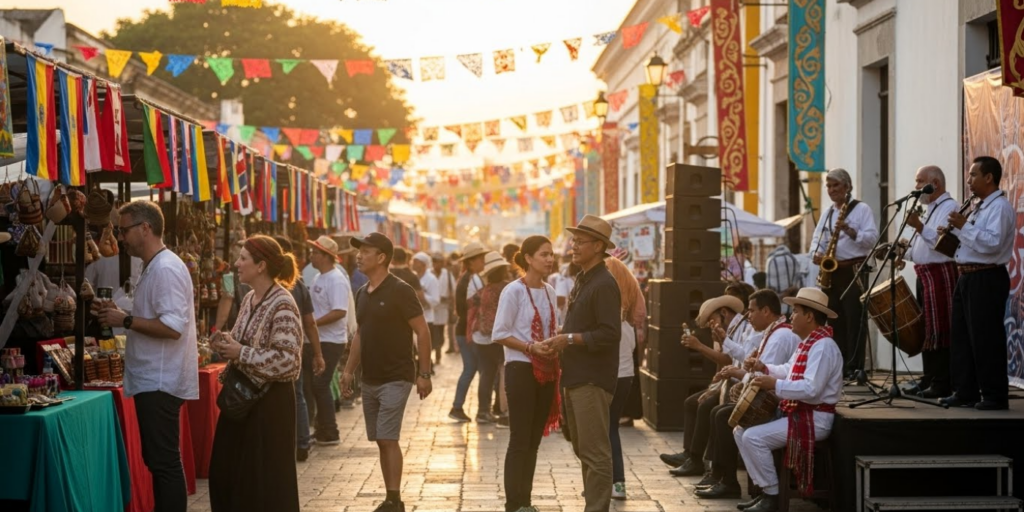
Sometimes, the best time to visit is when something special is happening.
Cultural festivals offer unmatched immersion:
- Holi in India (March): A joyful explosion of color
- Day of the Dead in Mexico (early November): Deeply moving and visually stunning
- Songkran in Thailand (April): The world’s biggest water fight
But do your homework:
- Are events tourist-friendly or sacred/private? (e.g., some Indigenous ceremonies welcome observers; others don’t)
- Will hotels be booked solid or more expensive?
- Could streets be closed or chaotic?
Pro tip: Visit just after a major festival—you’ll get residual decorations, festive energy, and lower prices.
Also consider:
- Harvest seasons (grape harvest in Tuscany = September)
- Wildlife migrations (Great Migration in Tanzania = July–October)
- Local holidays (stores may close, but you’ll see authentic traditions)
True story: I visited Kyoto in early December—missed the peak autumn leaves but caught the illumination of temples at night, a quiet, magical experience most tourists never see.
5. Factor in Your Budget—Timing Affects Price Dramatically
When you travel can save—or cost—you hundreds.
Airfare and lodging fluctuate wildly:
- Europe: Flights are 30–50% cheaper in January–March vs. July
- Caribbean: Hotel rates drop 40% in September–October (hurricane season—but often sunny!)
- Domestic U.S.: Avoid summer, Thanksgiving, and Christmas for best deals
Use price-prediction tools:
- Google Flights: Use the date grid and price graph to compare months
- Hopper or Kayak: Predicts if prices will rise or fall
- Hotel websites: Many offer “best rate guarantees” if you book directly
Budget hack: Travel mid-week (Tue–Thu). Flights and hotels are often cheaper than weekend rates.
Remember: Low season = savings, but weigh it against what’s open. A $50/night hotel is a steal—if the beach is closed due to rough seas.
6. Consider Your Personal Rhythms—and Travel Companions
Your ideal time might clash with reality.
Ask yourself:
- Do I have kids in school? (Limits you to summer, winter, or spring break)
- Am I sensitive to heat or cold? (No point visiting Dubai in August if you hate 115°F)
- Do I need reliable Wi-Fi for work? (Monsoon season may disrupt internet in rural Asia)
Group dynamics matter:
- Traveling with elderly parents? Avoid icy winter sidewalks in Prague.
- Bringing toddlers? Skip destinations with long layovers or high altitudes (like Cusco).
- Going solo? Shoulder seasons often offer the best mix of safety, affordability, and social energy.
Pro insight: Some destinations are better for certain ages at certain times. Example:
- Santorini with teens = summer (beaches, energy)
- Santorini with seniors = May or September (milder temps, easier walking)
Be honest: Don’t force a “perfect” time if it doesn’t fit your life. A good trip in July beats a dream trip you can’t take.
Bonus: The “Shoulder Season Sweet Spot” Strategy
For most travelers, shoulder season is the golden window.
What is it? The 1–2 months just before or after peak season.
- Europe: April–May and September–October
- Southeast Asia: November (after monsoon) and March (before heat)
- U.S. National Parks: Late May or early September
Why it works:
✅ Good weather (not extreme)
✅ Fewer crowds
✅ Lower prices
✅ Most attractions open
✅ Locals are less burnt out—service is better!
Example: In Amalfi Coast, August is packed and hotels charge premium rates. In late May, the lemon trees are blooming, the sea is warm enough to swim, and you can actually get a table at a seaside trattoria.
Rule of thumb: If your destination has a clear high/low season, lean toward the shoulders unless you have a compelling reason not to.
Quick Checklist: Your Destination Timing Decision Guide
✅ Define your top 2–3 trip goals (relaxation, culture, adventure, etc.)
✅ Research climate patterns—don’t just trust “best time” headlines
✅ Check crowd calendars and school holiday schedules
✅ Look for festivals or events that align (or clash) with your goals
✅ Compare flight and hotel prices across 3+ months
✅ Consider your group’s needs and physical comfort
✅ Favor shoulder seasons for the best balance
Conclusion
Choosing the best time to visit a destination isn’t about finding a “perfect” month—it’s about making intentional trade-offs that align with your vision for the trip.
Maybe you’ll choose monsoon-season Bali for half the price and emerald-green rice terraces. Or brave Paris in February for misty romance and empty museums. Or time your Japan trip to catch both cherry blossoms and a Shinto festival.
Whatever you choose, let it be deliberate. Because when your timing matches your purpose, even a simple trip can feel extraordinary.
So before you book, pause. Ask the right questions. Listen to the rhythms of the place—and your own life.
We’d love to hear from you! What’s a trip you timed perfectly? Or one you’d do differently now? Share your story in the comments below—your insight could help another traveler find their ideal window!
And if this guide helped you rethink your travel plans, please share it with a friend who’s dreaming of their next adventure. Because the right time isn’t just luck—it’s strategy.
Happy planning—and even happier traveling!

Michael Thompson is an enthusiast of travel, restaurants, financial freedom, and personal performance. He enjoys discovering new destinations and exploring local cuisine while constantly working on self-improvement and independence. For Michael, life is about creating meaningful experiences, growing every day, and building a lifestyle that combines freedom, discipline, and curiosity.