
Introduction
Imagine checking into a hotel after a long flight—only to realize the “luxury resort” is next to a construction site, the “boutique charm” means no elevator, and the “central location” is a 30-minute walk from anything you actually want to see. Frustrating? Absolutely. But entirely avoidable.
The truth is, there’s no such thing as the “best” hotel—only the best hotel for you, based on how you like to travel. A party-seeking digital nomad has wildly different needs than a couple celebrating their anniversary or a family wrangling toddlers. Yet most travelers book based on star ratings, glossy photos, or price alone—and end up disappointed.
In this guide, we’ll help you match your hotel choice to your unique travel style. You’ll discover how to identify your priorities, decode what different accommodations truly offer, and avoid common booking traps. Whether you’re a solo adventurer, a luxury seeker, a budget backpacker, or traveling with kids, you’ll learn exactly what to look for—and what to skip.
Because the right hotel doesn’t just give you a place to sleep. It enhances your entire trip.
1. Solo Travelers: Safety, Social Energy, and Smart Location
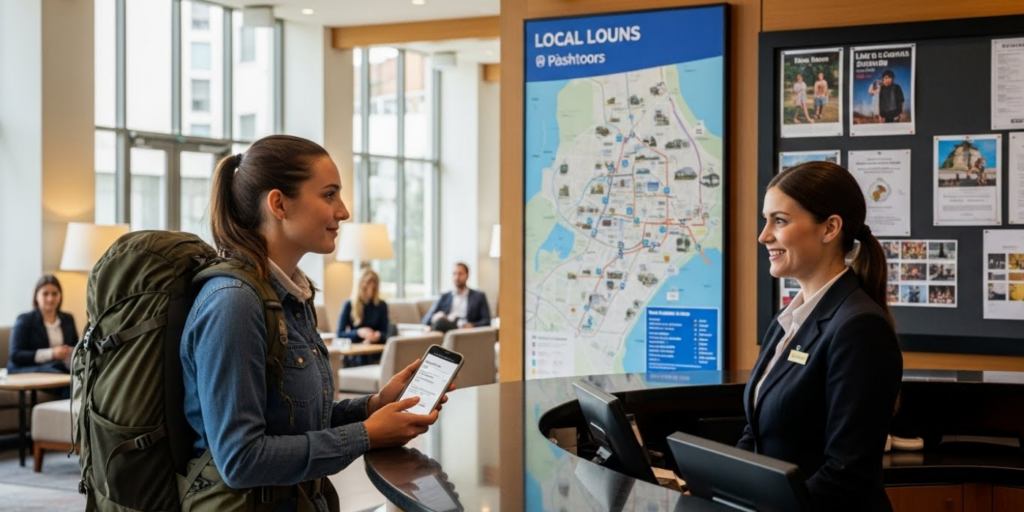
For solo travelers, a hotel is more than a room—it’s a basecamp for exploration and sometimes, a social hub.
What matters most:
- Safety: Choose well-lit areas with 24/7 front desk service. Avoid isolated properties.
- Location: Priority #1. Stay near transit hubs or walkable to main attractions.
- Social opportunities: Hostels with private rooms (like Selina or Generator) or boutique hotels with communal lounges offer the best of both worlds—privacy + connection.
- Wi-Fi & workspace: Essential for remote workers or trip planners.
Pro tip: Look for properties with free breakfast—it’s an easy, low-pressure way to meet fellow travelers.
Best options:
- Boutique hostels with private pods or en-suite rooms
- Business hotels in city centers (clean, efficient, often include breakfast)
- Guesthouses run by locals (great for cultural tips)
Real-life win: Maya, a solo traveler in Lisbon, stayed at a small guesthouse where the owner invited her to a fado night. “I got an authentic experience I’d never find on a tour,” she says.
Avoid large, impersonal chain hotels unless you’re just passing through. For solo travelers, human connection often matters more than marble lobbies.
2. Couples & Romantic Getaways: Privacy, Ambiance, and Thoughtful Details
Couples seek intimacy, relaxation, and memorable moments—not just a bed.
Key priorities:
- Quiet rooms: Request “away from elevators and street noise.”
- Ambiance: Think soft lighting, quality linens, a balcony or tub.
- Location: Scenic views (ocean, cityscape, garden) or walking distance to romantic dinners.
- Special touches: Champagne on arrival, breakfast in bed, or a turndown service with local chocolates.
Best options:
- Boutique hotels with unique design and personalized service
- Adults-only resorts (no pool splashing from kids!)
- Historic inns or ryokans (traditional Japanese inns) for cultural immersion
Avoid: Family resorts, party hostels, or hotels near nightclubs—even if the photos look dreamy.
Pro move: Book directly and mention it’s a special occasion (anniversary, honeymoon). Many hotels offer free upgrades, late checkout, or a welcome gift when they know.
Example: James and Lena booked a hillside villa in Santorini with a private plunge pool. The owner surprised them with sunset wine service. “It cost less than a 5-star chain—but felt infinitely more special,” James recalls.
Romance thrives in thoughtfulness, not square footage.
3. Families with Kids: Space, Simplicity, and Sanity-Saving Amenities
Traveling with children? Your hotel can make or break the trip.
Non-negotiables:
- Space: Connecting rooms, suites, or apartments with kitchenettes.
- Kid-friendly features: Pool, crib, high chair, kids’ menu, laundry.
- Location: Near parks, family attractions, or with easy transit access.
- Safety: Secure entrances, stair gates, and non-slip bathroom floors.
Best options:
- Family-friendly chains like Holiday Inn, Residence Inn, or Kimpton (many offer free stays for kids)
- Vacation rentals (via Airbnb or Vrbo) for longer stays—kitchen + separate bedrooms = sanity
- All-inclusive resorts for stress-free meals and activities (great for beach destinations)
Smart tip: Call ahead to confirm crib availability—many “family rooms” don’t include them by default.
Avoid:
- Boutique hotels with steep stairs or no elevators
- Urban lofts with open floor plans (hard to nap when someone’s watching TV)
- “Adults-only” properties (yes, it happens!)
Parent insight: “We stopped chasing ‘cool’ hotels,” says David, father of two. “Now we look for a fridge, laundry, and a bathtub. Game changer.”
When kids are happy and rested, everyone enjoys the trip.
4. Luxury Seekers: Service, Exclusivity, and Seamless Experiences
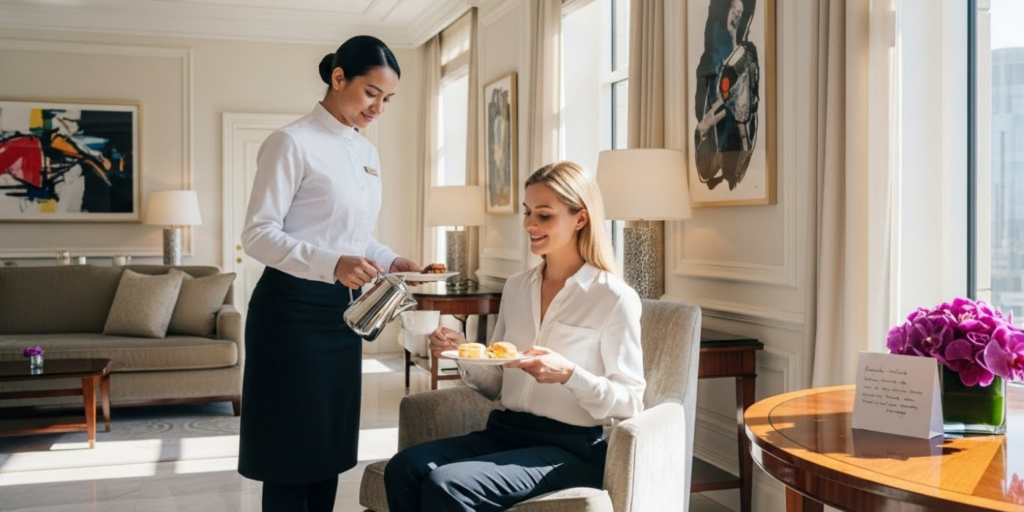
Luxury travelers aren’t just paying for thread count—they’re paying for time, privacy, and flawless execution.
What defines true luxury:
- Personalized service: A dedicated concierge who anticipates your needs
- Exclusivity: Private entrances, butler service, or secluded villas
- Unique experiences: In-room spa treatments, private tours, chef’s table dinners
- Design & materials: Natural textures, local art, soundproofing
Best options:
- Small luxury brands like Aman, Belmond, or Six Senses
- Historic palace hotels (e.g., Ritz Paris, Gritti Palace in Venice)
- Private villa rentals with staff (chef, driver, housekeeper)
Pro strategy: Use a travel advisor. Many luxury hotels offer perks (room upgrades, breakfast, late checkout) only when booked through agents—even if the rate is the same.
Avoid: Large chain “5-star” hotels that feel corporate. Luxury is in the details—like how your favorite drink appears before you ask.
Insider note: Look for LEED or Green Key certifications if sustainability matters. True luxury now includes ethical practices.
Luxury isn’t about showing off—it’s about effortless, meaningful moments.
5. Budget Travelers & Backpackers: Value, Vibe, and Location
Traveling on a shoestring doesn’t mean sacrificing safety or experience.
Priorities:
- Cost per night (including taxes and fees)
- Free amenities: Wi-Fi, breakfast, luggage storage
- Social atmosphere: Communal kitchens, game rooms, organized tours
- Walkability: Save money on transit by staying central
Best options:
- Hostels with private rooms (privacy + social perks)
- Guesthouses or family-run B&Bs (often cheaper than chains, with local charm)
- Capsule hotels (in Japan—ultra-efficient and clean)
Smart hack: Use Hostelworld or Booking.com filters for “highly rated,” “female-friendly,” or “free walking tours.”
Red flags to avoid:
- No recent reviews
- Photos only of lobbies (not rooms)
- Vague location descriptions like “near downtown”
Backpacker tip: “I stayed in a Lisbon hostel with a rooftop terrace and free Fado night,” says Alex. “Cost $25/night. Felt like a local.”
Budget travel is about maximizing experience per dollar—not just minimizing cost.
6. Business Travelers: Efficiency, Reliability, and Work-Friendly Features
For business travelers, time is the ultimate luxury.
Must-haves:
- Reliable high-speed Wi-Fi (ask for business lounge access if available)
- Quiet room (away from ice machines, elevators, bars)
- 24/7 front desk and room service
- Convenient location: Near meeting venues or with easy airport access
Best options:
- Business hotel chains like Hilton Garden Inn, Marriott Courtyard, or Hyatt House
- Hotels with co-working spaces (e.g., CitizenM, Moxy)
- Airport hotels with free shuttles (for red-eyes or layovers)
Pro tip: Join hotel loyalty programs—they often grant free Wi-Fi, late checkout, and room upgrades even at basic tiers.
Avoid:
- Trendy boutique hotels with spotty Wi-Fi
- Properties far from transit
- “Resort” fees that aren’t disclosed upfront
Business traveler insight: “I prioritize a good desk and blackout curtains over a pool. Productivity = better trips.”
Efficiency isn’t boring—it’s freedom to work well and rest deeply.
Final Thoughts: Your Hotel Is Your Travel Compass
The perfect hotel isn’t about stars, square footage, or Instagrammable pools. It’s about alignment—with your purpose, your people, and your pace.
When you choose a stay that truly fits your travel style, everything else flows more easily. You sleep better. You navigate with confidence. You return home energized, not exhausted.
Conclusion
Choosing the best hotel for your travel style starts with one simple question: What do I need this trip to feel like? From there, match your priorities—whether it’s social connection, quiet romance, family convenience, luxurious ease, budget value, or work efficiency—to the right type of accommodation. Use reviews wisely, book strategically, and never underestimate the power of a well-located, thoughtfully chosen room.
Your hotel isn’t just a place to rest your head. It’s the foundation of your entire journey.
We’d love to hear from you! What’s your go-to hotel type based on how you travel? Have you ever booked the “wrong” place for your style—and what did you learn? Share your tips or stories in the comments below! And if this guide helped you rethink your next stay, please share it with a friend planning a trip. Happy travels—and even happier check-ins!

Michael Thompson is an enthusiast of travel, restaurants, financial freedom, and personal performance. He enjoys discovering new destinations and exploring local cuisine while constantly working on self-improvement and independence. For Michael, life is about creating meaningful experiences, growing every day, and building a lifestyle that combines freedom, discipline, and curiosity.