Introduction
Imagine opening your suitcase in a cozy Lisbon apartment and effortlessly pulling together three different outfits from just six pieces. Or hiking through Patagonia in layers that keep you warm, dry, and stylish—all while your carry-on stays under 15 pounds.
This isn’t magic—it’s the power of a well-planned travel capsule wardrobe.
In a world of fast fashion and overstuffed suitcases, the capsule wardrobe is a breath of fresh air: minimal, intentional, and endlessly mixable. For travelers, it’s not just about looking good—it’s about packing lighter, moving faster, and spending less time worrying about what to wear and more time experiencing the world.
But how do you build one that actually works for real trips—across climates, cultures, and occasions?
In this guide, we’ll walk you through a step-by-step system to create a custom travel capsule wardrobe that’s versatile, functional, and uniquely yours. You’ll learn how to choose core pieces, layer like a pro, pick the right fabrics, and even adapt your capsule for city breaks, beach getaways, or multi-climate adventures.
Because great travel style isn’t about how much you bring—it’s about how well it all works together.
What Is a Travel Capsule Wardrobe—and Why It Works
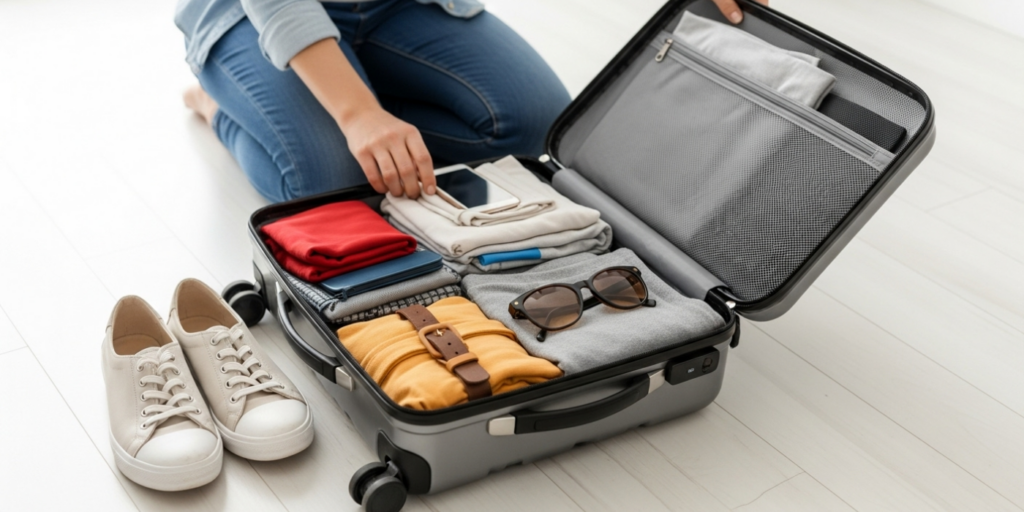
A travel capsule wardrobe is a small, curated collection of clothing (typically 10–15 items) that can be mixed and matched to create multiple outfits for a specific trip.
Unlike your everyday closet, a travel capsule is goal-oriented: it’s designed for your destination, duration, and activities. The magic lies in versatility—one jacket might work for a museum visit, a dinner date, and a chilly flight home.
Why it’s perfect for travelers:
- Lighter luggage = no checked bag fees, easier transit, and less strain on your back
- Less decision fatigue—you know everything goes together
- More sustainable—you buy less and wear what you own
- Faster packing—your entire wardrobe fits in a carry-on
Think of it like a color-coordinated puzzle: every piece connects to at least two others. A black tank pairs with jeans for sightseeing and a blazer for dinner. A scarf adds warmth and style. Neutral tones anchor the look, while one or two accent colors add personality.
The result? You look put-together without overpacking—and you never say, “I have nothing to wear,” even on day 10.
Step 1: Plan Based on Destination, Duration, and Activities
Your capsule starts with context, not clothing.
Ask yourself:
- Where am I going? (Climate? Culture? Urban or rural?)
- How long will I be there? (3 days vs. 3 weeks changes everything)
- What will I actually do? (Hiking? Business meetings? Beach lounging?)
For example:
- Barcelona in spring: Mild temps, lots of walking, some nice dinners → lightweight layers, comfy shoes, one dressy top
- Kyoto in winter: Cold, temples (modest dress), train travel → thermal base layers, warm coat, scarf, slip-on shoes
- Bali for 2 weeks: Hot, humid, beach + temple visits → breathable fabrics, cover-ups, modest temple attire
Pro tip: Check the 10-day weather forecast 3 days before departure. Adjust your capsule accordingly—swap a sweater for a rain jacket if needed.
Also, note cultural norms. In conservative countries (like Morocco or Jordan), you’ll need more coverage—long sleeves, high necklines, loose silhouettes. Your capsule should respect local expectations while keeping you comfortable.
This planning phase prevents overpacking “just in case” items that never get worn.
Step 2: Choose a Cohesive Color Palette and Core Pieces
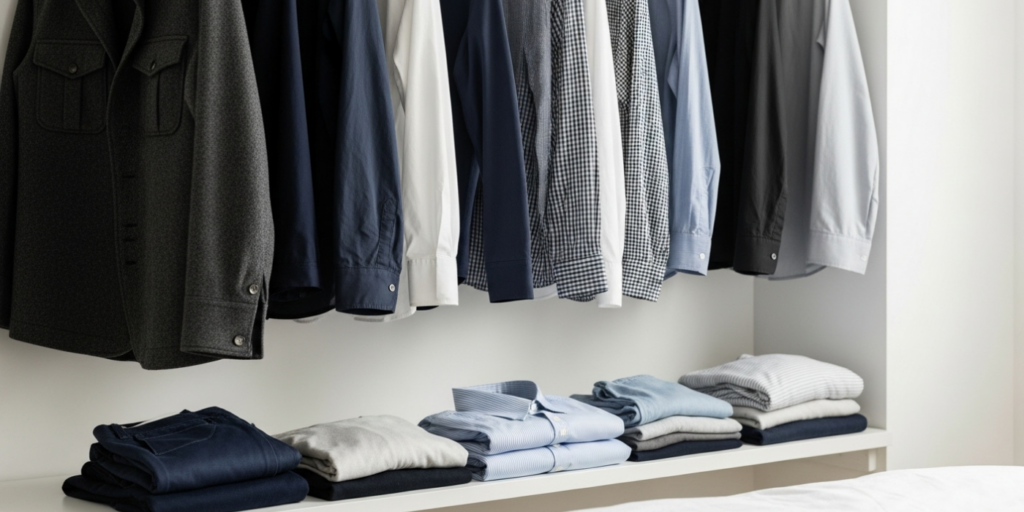
Now, build your foundation. Start with a neutral base: black, navy, gray, white, beige, or olive. These colors mix effortlessly.
Then add 1–2 accent colors that reflect your personality or destination—rust for Morocco, cobalt for Greece, sage for the Pacific Northwest.
The classic travel capsule formula (for a 7–10 day trip):
- Tops (4–5): 2 casual (tee, tank), 1 long-sleeve, 1 blouse or button-down, 1 layering piece (cardigan or lightweight jacket)
- Bottoms (2–3): 1 jeans or trousers, 1 versatile skirt or shorts, 1 dress (if applicable)
- Outerwear (1): A packable coat or blazer that works day and night
- Shoes (2): 1 walking shoes, 1 versatile slip-ons or dressier option
- Accessories (2–3): Scarf, belt, jewelry—small items with big impact
Key principles:
- Every top should pair with every bottom
- All pieces should be machine-washable or quick-dry
- Fabrics should resist wrinkles (think merino wool, Tencel, performance knits)
Example capsule for a European city break:
- Black merino wool tee
- White button-down
- Navy cardigan
- Dark jeans
- Black wrap dress
- Beige trench coat
- White sneakers
- Black ankle boots
- Silk scarf (adds color and warmth)
This gives you at least 15 outfits—more if you layer creatively.
Step 3: Prioritize Fabric, Fit, and Function
What your clothes are made of matters more than the label.
Best travel fabrics:
- Merino wool: Naturally odor-resistant, temperature-regulating, and wrinkle-free
- Tencel/Lyocell: Soft, breathable, drapes beautifully, and dries quickly
- Performance knits: Look polished but feel like athleisure
- Linen blends: More wrinkle-resistant than 100% linen, perfect for warm climates
Avoid:
- 100% cotton (wrinkles easily, slow to dry)
- Delicate silks or dry-clean-only items
- Stiff denim (heavy and uncomfortable on long travel days)
Fit is non-negotiable:
- Choose slightly tailored—not tight, not baggy
- Pants should be comfortable for walking and sitting on planes
- Shirts should layer well under jackets
Multi-functional pieces win:
- A dress that works for sightseeing and dinner
- A lightweight scarf that doubles as a shawl, blanket, or beach cover-up
- A blazer that elevates jeans or pairs with a dress
Pro hack: Roll clothes instead of folding. It reduces wrinkles and saves space. Use packing cubes to keep categories separate (tops, bottoms, underwear).
And always test your outfits at home before you go. Walk, sit, squat—make sure everything moves with you.
Step 4: Adapt Your Capsule for Different Trip Types
One size doesn’t fit all. Tailor your capsule to your travel style.
For cold-weather trips:
- Focus on layering: thermal base, mid-layer (fleece or sweater), outer shell
- Choose dark neutrals—they hide dirt better in cities
- Pack one luxury item (like cashmere socks) for comfort
For hot climates:
- Prioritize loose, breathable fabrics
- Include sun protection: wide-brim hat, UV shirt, sunglasses
- Skip heavy shoes—opt for supportive sandals or espadrilles
For business travel:
- Stick to 2–3 core colors (navy, gray, white)
- Bring one wrinkle-resistant blazer and dark trousers
- Use jewelry or a pocket square to refresh looks
For multi-destination trips:
- Pack modular layers you can add or remove
- Choose shoes that transition from city to trail
- Bring a foldable tote for day trips or market hauls
And if you’re gone longer than 10 days? Plan to do laundry. Most Airbnbs have machines, or you can hand-wash in the sink. One extra set of underwear and socks is all you need.
Bonus Tips from Frequent Travelers

Long-term nomads and business travelers swear by these extras:
- Pack a travel steamer (or use the hotel shower—hang clothes while you bathe to steam out wrinkles)
- Carry a mini sewing kit—for popped buttons or loose hems
- Use a dry-erase marker on your suitcase to note your hotel name and room number
- Wear your bulkiest items (coat, boots) on travel days to save space
- Leave one “dream outfit” at home—if you haven’t worn it in 6 months, you won’t wear it on vacation
Also, take a photo of your capsule before you leave. It helps you visualize combinations and prevents overbuying souvenirs you won’t wear.
Conclusion
Building a capsule wardrobe for travel isn’t about restriction—it’s about freedom through simplicity. When every piece works hard and plays well with others, you spend less time packing, less money buying “just one more thing,” and less mental energy deciding what to wear. Instead, you’re free to wander, explore, and be present.
We’ve covered how to plan with purpose, choose cohesive pieces, select smart fabrics, and adapt your capsule to any trip. These strategies work whether you’re a weekend explorer or a full-time nomad.
So before your next journey, challenge yourself: Can I do it with 10 pieces? You might be surprised how much you can do with less.
Now we’d love to hear from you: What’s your go-to item in your travel capsule? Have you ever worn the same scarf three different ways on one trip? Share your favorite packing hack or capsule combo in the comments below—your tip might be the one that helps a fellow traveler finally ditch their overstuffed suitcase for good! 🧳✨🌍

Michael Thompson is an enthusiast of travel, restaurants, financial freedom, and personal performance. He enjoys discovering new destinations and exploring local cuisine while constantly working on self-improvement and independence. For Michael, life is about creating meaningful experiences, growing every day, and building a lifestyle that combines freedom, discipline, and curiosity.