You’ve just booked your dream trip to Paris, Bali, or New York—only to discover that a basic hotel room steps from the main attraction costs more than your round-trip flight. Sound familiar? Tourist zones are notorious for inflating prices, banking on travelers’ desire for convenience and iconic views. But here’s the secret most seasoned travelers know: you don’t have to pay premium prices to enjoy a great location, comfort, or even luxury.
With the right strategies, you can slash your lodging costs by 30%, 50%, or even more—without sacrificing safety, cleanliness, or charm. Whether you’re planning a weekend city break or a two-week international adventure, knowing how to outsmart tourist pricing lets you redirect those savings toward unforgettable experiences: a cooking class, a guided hike, or that fancy dinner you’ve been dreaming about.
In this guide, you’ll learn practical, proven tactics to sidestep overpriced hotels while still staying in walkable, enjoyable neighborhoods. We’ll show you how to use location hacks, booking timing tricks, alternative accommodations, and insider tools to find hidden gems that offer better value—and often, a more authentic experience—than the flashy hotels lining the main square.
So before you click “book now” on that $400-per-night room with a view of the Eiffel Tower (that you’ll only see from your window for 10 minutes), read on. Your wallet—and your travel experience—will thank you.
Why Tourist Areas Charge More (And When It’s Worth It)
Hotels in prime tourist zones—think Times Square, Rome’s Trevi Fountain, or Bangkok’s Khao San Road—charge a “location premium.” It’s simple economics: high demand + limited space = high prices. According to a 2023 hospitality report by STR Global, hotel rates within 0.5 miles of major attractions can be 40–70% higher than those just a 15-minute walk away.
But is it ever worth paying more? Sometimes—if convenience is your top priority. For example:
- Traveling with young kids or elderly companions who can’t walk far
- Attending a time-sensitive event (like a theater show or festival)
- Visiting for only one night and wanting to maximize sightseeing
However, for most travelers, the “perfect” location isn’t as essential as it seems. You’ll likely spend only a few hours in your room, and many cities have excellent public transit that makes commuting easy and affordable.
The key is to define your true needs: Do you really need to be on the plaza—or just close enough to walk there in 10 minutes? Often, the answer is the latter. And that small shift in thinking unlocks massive savings.
Think “Adjacent”: Stay Just Outside the Tourist Bubble
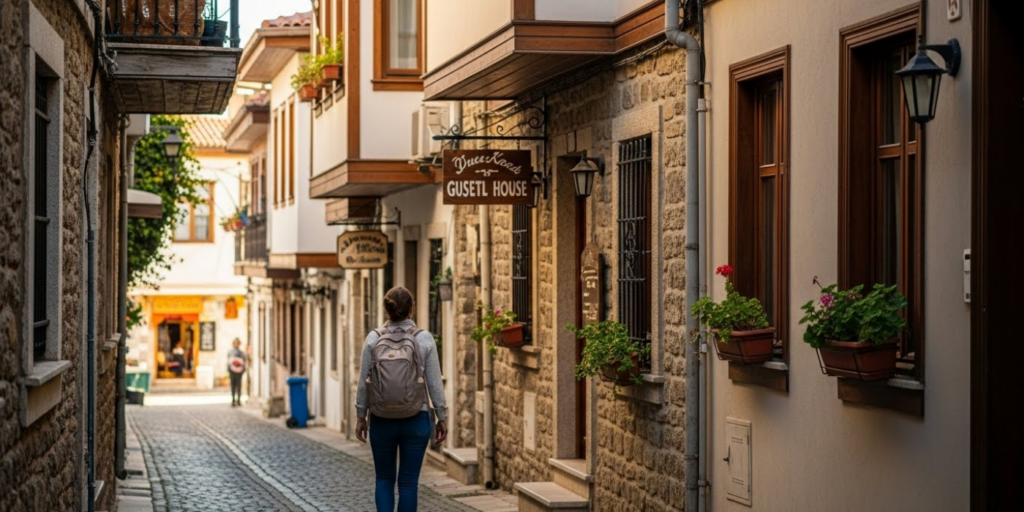
Instead of booking in the heart of the action, look for neighborhoods that border the main tourist zone. You’ll often find:
- Quieter streets with better sleep quality
- Locally owned hotels or guesthouses with more character
- Restaurants where locals actually eat (not just tourists)
- Significantly lower prices
Real-World Examples:
- In Paris, skip the overpriced 1st arrondissement. Stay in the Marais (4th) or Saint-Germain (6th)—both walkable to major sights, full of charm, and 20–30% cheaper.
- In Barcelona, avoid Las Ramblas. Choose Gràcia or Poble Sec—artsy, authentic, and well-connected by metro.
- In Kyoto, skip the Gion district’s luxury ryokans. Stay in Nishijin or near Kyoto Station for great value and easy transit.
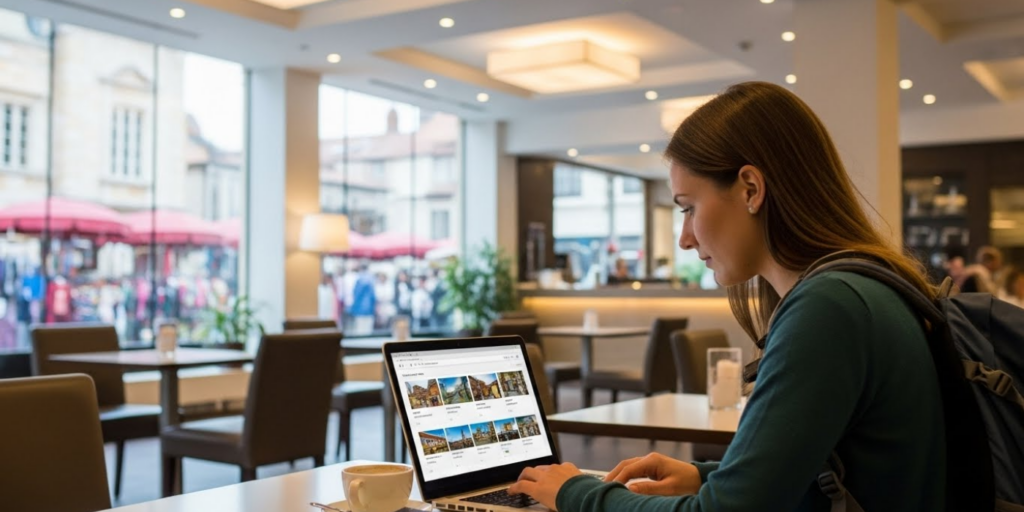
Use Google Maps to measure walking distance from potential hotels to key attractions. A 10–15 minute walk is usually perfect—close enough for convenience, far enough for savings and peace.
Pro tip: Search for “best neighborhoods to stay in [city] for first-time visitors” on travel blogs like Nomadic Matt or Legal Nomads—they often highlight underrated, affordable zones.
Use Booking Strategies That Beat the Algorithms
When and how you book matters just as much as where you stay.
1. Book Direct—But Only After Comparing
While third-party sites like Booking.com or Expedia are great for research, always check the hotel’s own website before booking. Many offer:
- “Best Rate Guarantee” (they’ll match or beat third-party prices)
- Free perks like breakfast, late checkout, or room upgrades
- Flexible cancellation not available elsewhere
2. Leverage Price Tracking Tools
Use Google Hotels, Kayak, or Hopper to set price alerts. These tools predict when rates will drop and notify you—perfect if your dates are flexible.
3. Avoid Booking During Peak Events
Check the city’s event calendar. A major conference, festival, or sports event can double hotel prices overnight. If possible, shift your dates by just 2–3 days to avoid the spike.
4. Book Refundable Rates
Even if you’re sure of your plans, a refundable rate gives you the freedom to rebook if a better deal appears later. Many hotels allow free cancellation up to 24–48 hours before check-in.
And never book the first option you see. Compare at least 3–5 properties within your target zone.
Consider Alternatives: Beyond Traditional Hotels
Sometimes, the best value isn’t a hotel at all.
Boutique Guesthouses & B&Bs
Family-run guesthouses often offer more personalized service, local tips, and home-cooked breakfasts—at half the price of chain hotels. Look on Booking.com (filter for “Guesthouse”) or Agoda in Asia.
Vacation Rentals (Used Wisely)
Platforms like Vrbo or Airbnb shine for:
- Groups or families (entire apartments with kitchens)
- Longer stays (weekly discounts)
- Neighborhood immersion
But for solo travelers or short stays, private rooms in shared homes can offer hotel-like convenience at lower cost—just read reviews carefully.
Hostels (Yes, Really!)
Modern hostels aren’t just for backpackers. Many now offer private rooms with ensuite bathrooms, communal kitchens, and rooftop bars—often in prime locations. Brands like Generator, HI Hostels, or Lub d (in Asia) are clean, stylish, and safe.
Hotel Alternatives with Perks:
- Costco Travel or Sam’s Club: Offer deeply discounted resort and hotel packages with added credits.
- Credit Card Points: Use rewards to book 4–5 star hotels for the price of a budget room.
Remember: value isn’t just price per night—it’s comfort, location, and experience per dollar spent.
Red Flags That Signal Overpricing (Without Value)

Not all expensive hotels are worth it. Watch for these warning signs:
- “Historic charm” but no AC or elevator—romantic until you’re lugging suitcases up six flights in 90°F heat.
- Photos that look too perfect—stock images or heavily edited shots often hide small rooms or noisy streets.
- No recent reviews—or a sudden drop in rating over the past year.
- Hidden fees like mandatory “resort fees” or parking charges not disclosed upfront.
Always read recent guest reviews, especially those with photos. Look for comments like:
- “Great location, but paper-thin walls”
- “Beautiful lobby, tiny room”
- “Charged extra for Wi-Fi despite website saying it’s free”
And check the hotel on multiple platforms. A property with 4.8 stars on one site but 3.2 on another might be manipulating reviews.
Final Thoughts: Value Over Vanity
Avoiding overpriced hotels isn’t about cutting corners—it’s about spending wisely on what truly enhances your trip. That extra $150 per night might buy you a view of a landmark… but it could also buy you a guided food tour, a scuba diving excursion, or a handmade souvenir from a local artisan.
By staying just outside the tourist epicenter, using smart booking tools, and considering alternative stays, you gain more than savings: you gain authenticity, local flavor, and the quiet joy of discovering a place on your own terms.
So next time you plan a trip, resist the lure of the postcard-perfect facade. Dig a little deeper. Walk a few blocks farther. The best stays—and the best memories—often lie just off the beaten path.
Have you ever saved big by staying slightly outside a tourist zone? Or found a hidden-gem hotel that felt like a steal? Share your tip in the comments below—your story might inspire another traveler to skip the hype and find real value!

Michael Thompson is an enthusiast of travel, restaurants, financial freedom, and personal performance. He enjoys discovering new destinations and exploring local cuisine while constantly working on self-improvement and independence. For Michael, life is about creating meaningful experiences, growing every day, and building a lifestyle that combines freedom, discipline, and curiosity.