Introduction
There’s a certain magic in drifting off to sleep in one city and waking up in another—watching dawn break over unfamiliar rooftops, your luggage already with you, and your day just beginning while others are still catching their first coffee. Night trains and buses aren’t just a way to travel; they’re a clever hack for saving time, money, and even a night’s accommodation.
Yet, not all overnight journeys are created equal. A poorly chosen sleeper bus can leave you stiff, sleepless, and stressed—while the right night train can feel like a mini-vacation on rails. With rising interest in slow, sustainable, and budget-friendly travel, knowing how to pick the best overnight transport is more valuable than ever.
In this guide, we’ll share practical, field-tested tricks to help you choose night trains and buses that are safe, comfortable, and worth every penny. From decoding seat types to timing your departure like a pro, you’ll learn how to turn overnight transit from a necessary evil into one of your trip’s highlights.
So if you’re planning a multi-city adventure or just want to stretch your travel budget without sacrificing rest, keep reading—your best night on the road starts here.
1. Understand Your Options: Seats, Couchettes, and Private Cabins
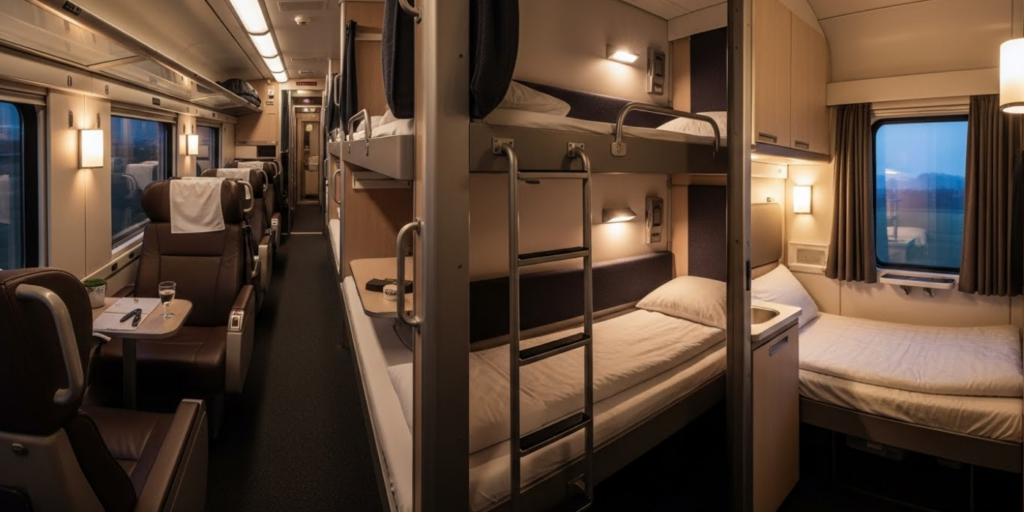
The biggest mistake travelers make? Assuming “overnight” automatically means “bed.” In reality, overnight transport comes in three main tiers, each with trade-offs between price, privacy, and comfort.
Standard seats (common on budget buses and some trains) are the cheapest but least restful. You’ll sit upright for 6–12 hours—fine for short hops, but brutal on longer routes. Think of it as an economy flight, minus the legroom.
Couchettes (found on European and Asian night trains) offer 4–6 berths in a shared compartment with padded bunks, blankets, and sometimes a pillow. No bedding changes or private sink—but it’s cozy, social, and usually under $50. Great for solo travelers and groups on a budget.
Private sleepers (like those on Amtrak’s Auto Train or Russia’s Trans-Siberian Railway) include real beds, reading lights, outlets, and often a sink or even a private toilet. Some high-end options—like Switzerland’s Glacier Express sleeper cars—offer en-suite showers and breakfast service. Pricey, yes, but unforgettable.
Pro tip: Always check what’s included. On some European night trains, you pay a base fare plus a “reservation fee” for couchettes or sleepers. Booking early often locks in lower berth prices.
Real-world example: A night train from Vienna to Venice might cost €30 for a seat, €60 for a couchette, or €120 for a single sleeper. For just double the seat price, the couchette gives you horizontal sleep—and that’s often the sweet spot.
2. Prioritize Safety and Cleanliness—Especially on Buses
While night trains (especially in Europe and Japan) are generally clean and secure, overnight buses can vary wildly—from modern, Wi-Fi-equipped coaches to aging vans with flickering lights and no AC.
Start by researching the operator’s reputation. Companies like FlixBus (Europe), Greyhound (U.S.), or KKKL (Malaysia) maintain consistent standards. Avoid obscure local carriers with no online reviews or safety certifications.
Look for:
- Seat belts (still rare on some international buses—big red flag)
- Functional air conditioning and clean restrooms
- Onboard staff or attendants (common on long-distance Asian buses)
- Real-time GPS tracking (available in apps like Busbud or 12Go)
Women travelers: Consider female-only sections—offered on many buses in India, Turkey, and parts of Latin America. They’re not just safer; they often feel more relaxed and respectful.
Also, check recent traveler photos on Google Maps or hostel forums. A quick scroll can tell you if seats are torn, windows are cracked, or the cabin smells of mildew.
Remember: A $10 “deal” isn’t a deal if you spend the night anxious or uncomfortable. Pay a little more for peace of mind.
3. Book Smart: Timing, Platforms, and Hidden Discounts
When and how you book can make a huge difference in price and comfort.
Book early—but not too early. On popular routes (like Berlin to Prague or Bangkok to Chiang Mai), couchettes sell out weeks in advance. However, some rail operators (like ÖBB in Austria) only release sleeper inventory 60–92 days out, so setting a booking alert is key.
Use the right platform:
- Rail Europe or Trainline for European trains
- Busbud, 12Go, or RedBus for international buses
- Official railway websites (like SNCF, Trenitalia, or Amtrak) often have lower fees than third parties
Pro trick: Sometimes it’s cheaper to book a round-trip sleeper than two one-ways—even if you don’t use the return. Always compare.
Also, look for rail passes. The Eurail or Interrail Pass includes access to many night trains (though you’ll still pay a small supplement for couchettes/sleepers). For long-distance travelers, this can save hundreds.
Bonus: Students, seniors, and youth (under 27) often qualify for discounts—always select your traveler type when searching.
4. Maximize Comfort with Packing and Prep
Even the best night bus feels rough without the right gear. Think of your overnight kit as a mini sleep sanctuary.
Essential items:
- Neck pillow (inflatable or memory foam)
- Eye mask and earplugs (or noise-canceling headphones)
- Lightweight blanket or sleep sack (many trains/buses provide thin covers, but they’re not always clean)
- Reusable water bottle and light snacks (avoid strong-smelling foods in shared cabins)
- Portable charger (outlets aren’t guaranteed, especially on buses)
Clothing tip: Wear layers—temperatures fluctuate wildly. Loose pants, clean socks, and slip-on shoes make for easy bathroom breaks and better circulation.
Mindset matters: Accept that you might not sleep 8 hours. Instead, aim for “restful downtime”—reading, journaling, or watching the moonlit landscape scroll by. Many travelers report that overnight journeys become some of their most reflective, peaceful travel moments.
Pro move: Bring a small lock for your bag—and use it to secure your luggage to a fixed rail in couchette compartments.
5. Route Strategy: When Night Travel Makes (or Breaks) Your Itinerary
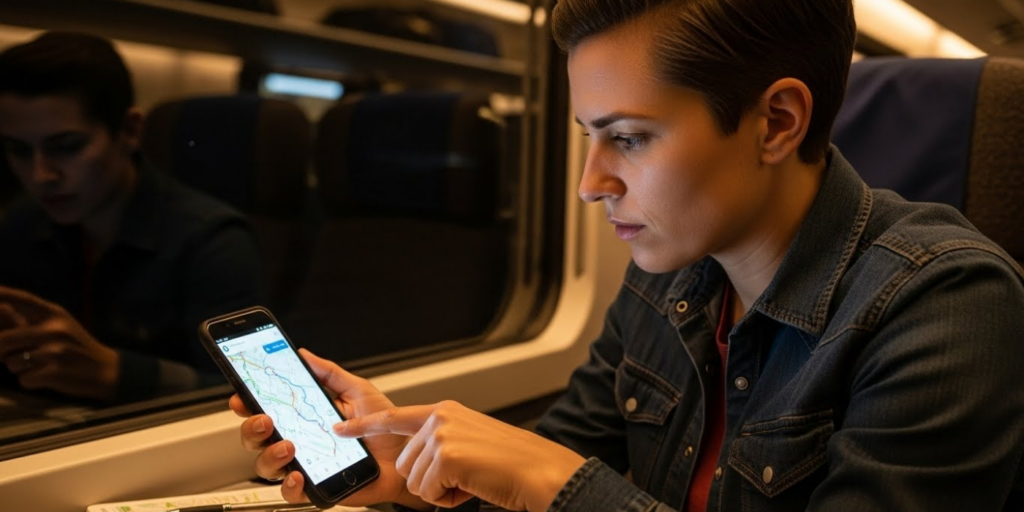
Not every journey benefits from going overnight. Ask yourself:
✅ Is the trip 6–12 hours long? Ideal for sleeping through it.
✅ Does it arrive early enough to start exploring? (Aim for arrivals before 8 a.m.)
✅ Am I saving a hotel night? If you’d need to book accommodation anyway, overnight transport = free lodging.
But avoid overnight travel if: ❌ The route is under 4 hours (you’ll spend more time boarding/unboarding than sleeping)
❌ You arrive exhausted in a city with no luggage storage or early check-in
❌ You’re traveling with young kids or mobility issues (tight bunks and narrow aisles can be challenging)
Smart example: Taking a night train from Paris to Nice lets you skip a €150 hotel, wake up seaside, and hit the beach by 9 a.m. But a 3-hour bus from Florence to Rome? Better to go by day, enjoy the Tuscan views, and nap in your hotel.
Also, check border crossings. Some night buses between countries (e.g., Mexico to Guatemala) involve long immigration stops at 3 a.m.—disrupting sleep and sometimes requiring visa checks. Trains are usually smoother for international routes.
6. The Bigger Picture: Why Night Travel Enriches Your Journey
Beyond savings and efficiency, overnight journeys offer something rare in modern travel: slowness and presence. There’s no rushing to airports, no security lines, no jet lag. Just the gentle hum of wheels on track or road, and time to think, dream, or connect with fellow travelers.
Many lifelong friendships—and even romances—have sparked in couchette compartments. You might share wine with a local artist heading home, get tips from a seasoned backpacker, or simply enjoy the quiet solitude as stars streak past your window.
In a world obsessed with speed, choosing a night train or bus is a quiet act of rebellion. It says: I’m not just getting there—I’m part of the journey.
And that shift in perspective? That’s where the real magic happens.
Conclusion
Choosing the right night train or bus isn’t just about logistics—it’s about crafting a travel experience that’s restful, safe, and even joyful. By understanding your accommodation options, prioritizing reputable operators, booking strategically, packing wisely, and selecting routes that truly benefit from overnight travel, you turn transit into treasure.
Remember: the goal isn’t just to arrive—it’s to arrive refreshed, inspired, and ready for the day ahead. With these tricks in your toolkit, you’ll do more than save money; you’ll gain stories, stillness, and a deeper connection to the places you’re moving through.
So next time you’re mapping a multi-city trip, ask: Could this be a night journey? You might just find your favorite travel memory happens between sunset and sunrise.
Now we’d love to hear from you: What’s your most memorable overnight train or bus experience? Was it a scenic ride through the Alps? A cozy couchette in Thailand? Share your story in the comments below—and if you know a fellow traveler planning a big trip, send them this guide!
Sweet dreams and smooth rides await. 🌙🚂

Michael Thompson is an enthusiast of travel, restaurants, financial freedom, and personal performance. He enjoys discovering new destinations and exploring local cuisine while constantly working on self-improvement and independence. For Michael, life is about creating meaningful experiences, growing every day, and building a lifestyle that combines freedom, discipline, and curiosity.