Introduction
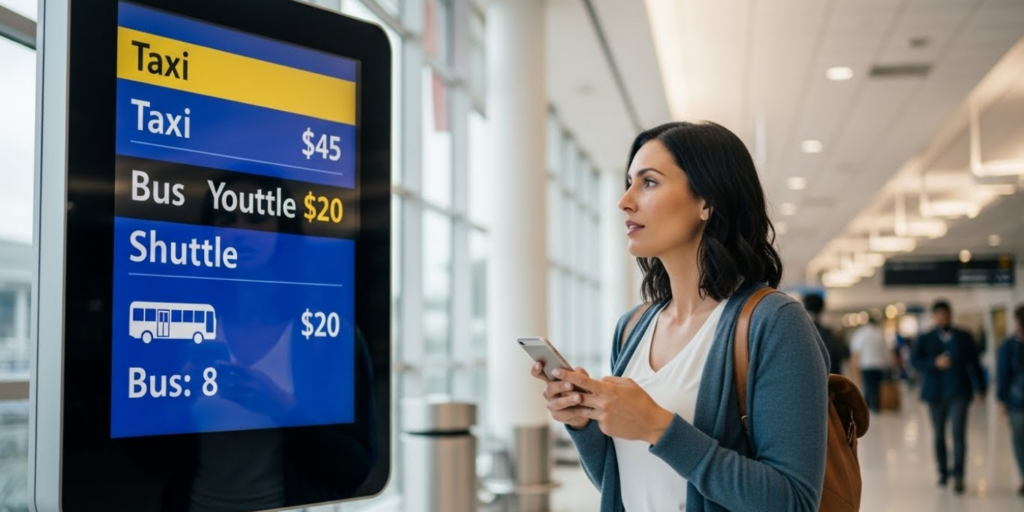
You’ve scored a great flight deal, found an affordable hotel, and planned every museum and meal—but then you’re hit with a $75 Uber from the airport to your downtown Airbnb. Suddenly, your “budget-friendly” trip feels a lot less economical.
Airport transportation is one of the most common—and avoidable—travel budget busters. Yet with a little planning and local knowledge, you can often slash this cost by 50%, 75%, or even eliminate it entirely, all while enjoying a smoother, less stressful arrival.
In this guide, we’ll share practical, battle-tested strategies to save money on airport transfers, whether you’re flying into New York, London, Bangkok, or Buenos Aires. From navigating public transit like a local to unlocking hidden hotel perks and booking smarter rideshares, these tips work for solo travelers, couples, and families alike. You’ll learn how to avoid tourist traps, sidestep hidden fees, and arrive at your destination relaxed and on budget.
Because getting there shouldn’t cost you a fortune—especially when your adventure hasn’t even begun.
1. Take Public Transportation—It’s Cheaper (and Easier) Than You Think
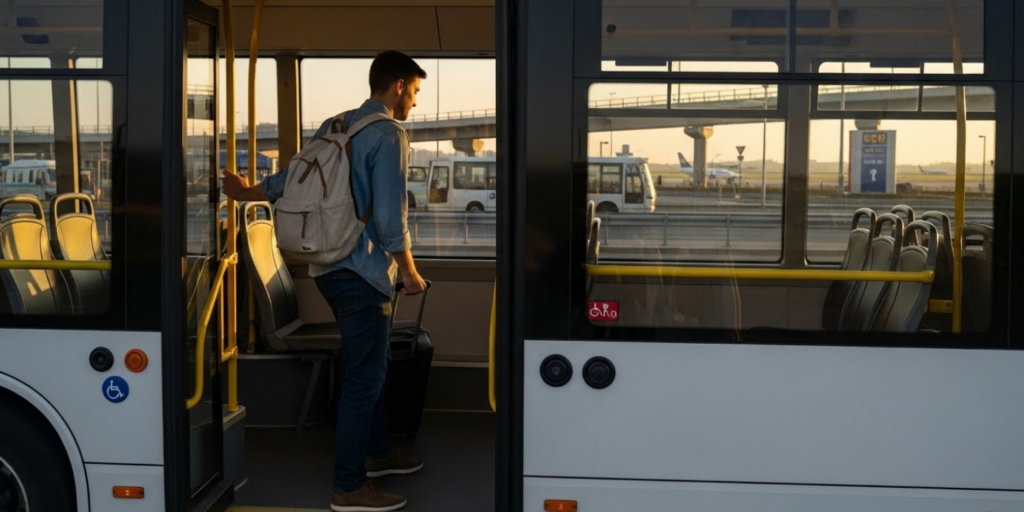
In most major cities worldwide, public transit is the single best way to save on airport transfers—often costing just $2–$15 compared to $40–$100 for a taxi or ride-share.
Cities like London, Tokyo, Berlin, Barcelona, and Singapore have efficient, clean, and clearly marked train or bus links that connect directly to the city center. For example:
- London: The Piccadilly Line (Tube) takes you from Heathrow to central London for £6 ($7.50)—versus £50+ for a black cab.
- Tokyo: The Keisei Skyliner whisks you from Narita Airport to Ueno in 40 minutes for about $25—less than half the taxi fare.
- Lisbon: The metro from Humberto Delgado Airport costs just €2 and drops you in the heart of the city in 20 minutes.
How to find it:
- Before your trip, Google “[Airport Name] to [City Center] public transport.”
- Visit the airport’s official website—they almost always have a “Getting Here” or “Transport” section with maps, schedules, and fare info.
- Download apps like Citymapper, Moovit, or Google Maps, which provide step-by-step directions, real-time updates, and fare estimates.
Pro tip: Buy a reusable transit card (like London’s Oyster, Paris’s Navigo, or Tokyo’s Suica) upon arrival. These often include discounted airport access and can be used for all your in-city travel—saving you money and time.
Yes, you’ll carry your luggage. Yes, it might take a few extra minutes. But saving $30–$80 on your very first expense? That’s money better spent on a welcome dinner, a museum pass, or an extra night in town.
2. Pre-Book Shared Rides or Use Rideshare Apps Strategically
When public transit isn’t practical—late-night arrival, remote destination, or heavy luggage—pre-booking is your smartest move.
Shared airport shuttles are significantly cheaper than private cars. Companies like SuperShuttle (where still available), Welcome Pickups, or local operators in places like Cancun, Bali, or Athens offer fixed rates with English-speaking drivers. A shared shuttle from JFK to Manhattan might cost $25 per person versus $70+ for a taxi.
Rideshare apps (Uber, Lyft, Bolt, Grab) can also save money—but only if used wisely:
- Avoid peak arrival times when surge pricing spikes.
- Walk to a nearby pickup zone—many airports charge an extra $3–$6 “rideshare fee” that’s avoidable if you meet your driver just outside the terminal.
- Compare prices across apps—in many cities, Bolt or local apps are 20–30% cheaper than Uber.
Real example: In Rome, a fixed-rate taxi from Fiumicino Airport to the city center costs €50. But the Leonardo Express train is just €14, and a pre-booked shared shuttle is €18. Yet many tourists default to the taxi simply because it’s prominently displayed.
Golden rule: Never accept an unmarked or unofficial “taxi” at the airport. Always use official ranks, licensed services, or pre-booked options to avoid scams and overcharging.
A few minutes of planning can save you big—and give you peace of mind before you even leave the terminal.
3. Leverage Hotel Perks and Loyalty Programs
Before you book any transfer, check what your accommodation offers. Many hotels—especially mid-range and boutique properties—include complimentary airport pickup as a standard or optional perk.
How to find out:
- Read the “Transportation” or “Guest Services” section on the hotel’s official website (not just the booking platform).
- Email them directly: “Do you offer free airport transfers?”
- Scan recent guest reviews on Google or TripAdvisor for mentions like “free shuttle saved us $60!”
Bonus: Some hostels, guesthouses, and eco-lodges partner with local drivers for discounted group rates—even if they don’t advertise it publicly. It never hurts to ask.
Loyalty programs can also unlock free or discounted transfers:
- Marriott Bonvoy Titanium+ members may request complimentary airport rides at select properties.
- IHG One Rewards or Hilton Honors elite members sometimes receive welcome amenities that include transport credits.
- All-inclusive resorts (especially in Mexico, the Caribbean, or Thailand) often include round-trip airport transfers in their package price—always confirm before booking separately.
Even if there’s a small fee ($10–$20), it’s often cheaper—and far more convenient—than navigating transit with four suitcases and two tired kids.
4. Travel Light and Time Your Arrival Wisely

Your luggage and arrival time directly impact transportation costs—sometimes in sneaky ways.
Pack carry-on only:
Many budget airlines (like Ryanair or Spirit) charge steep fees for checked bags. If you’re forced to check, your transfer becomes heavier—and possibly more expensive if using a metered taxi that charges per bag. Solution: Use packing cubes and versatile clothing to fit everything in a 22” suitcase or quality backpack.
Avoid late-night or early-morning arrivals:
Public transit often stops running after midnight, and taxis frequently add night surcharges (up to 50% more). Solution: If possible, choose a flight that lands during daylight hours. Even a 6 a.m. arrival usually catches the first train or bus.
Consider group size:
Traveling with 3–4 people? A private transfer might cost the same per person as individual transit tickets—but with door-to-door convenience and no hauling bags up subway stairs.
Watch for hidden airport fees:
Many U.S. airports (like LAX, JFK, or SFO) levy a $3–$6 “rideshare access fee” on Uber/Lyft rides. Always check the final price in the app before confirming your ride.
By controlling what you can—luggage, timing, group coordination—you sidestep unnecessary markups and keep your travel budget intact from the very first mile.
5. Use Credit Card Benefits and Travel Insurance Perks
Don’t overlook travel benefits tied to your financial tools. Many premium credit cards and comprehensive travel insurance policies include airport transfer credits or reimbursements.
Examples:
- Chase Sapphire Reserve: Offers up to $300 in annual travel credits, which can be used for pre-booked transfers via Chase Travel.
- American Express Platinum: Includes credits for airport lounge access, but also partners with rideshare apps for monthly discounts (e.g., $15 off Lyft rides).
- Certain travel insurance plans: Reimburse “missed connection” taxi fares if your flight is delayed or canceled.
How to use them:
- Book transfers through your card’s travel portal to ensure eligibility.
- Save all receipts—some reimbursements require manual submission.
- Read the fine print: “Travel” often includes ground transportation, but definitions vary.
Even if you’re not a high-roller, these perks add up. That $25 shuttle from the airport? It might cost you $0 thanks to your everyday credit card.
Final Thoughts: Small Choices, Big Savings
Airport transportation may seem like a minor line item—but over a lifetime of travel, these costs can add up to thousands of dollars. By choosing public transit, booking smartly, asking about perks, and traveling light, you reclaim control over this “hidden” expense.
More importantly, you start your trip with confidence—not sticker shock. And that peace of mind? That’s priceless.
Conclusion
Saving money on airport transportation isn’t about cutting corners—it’s about making smarter, more informed choices. We’ve covered how to use local public transit like a savvy traveler, pre-book affordable shared rides, unlock hotel and credit card perks, avoid hidden fees through smart packing and timing, and leverage loyalty programs for extra value.
The goal isn’t just to reduce costs—it’s to begin your journey calmly, affordably, and intentionally. Every dollar saved on the ride from the airport is a dollar you can spend on experiences that truly matter: a local cooking class, a sunset cruise, or an extra night in a dreamy guesthouse.
So before your next trip, take just five minutes to research your transfer options. Your future self—relaxed, on budget, and already sipping coffee in your destination—will thank you.
Now we’d love to hear from you!
What’s your favorite money-saving airport transfer hack? Have you ever taken the local bus from an international airport and discovered a new side of the city? Share your story or tips in the comments below. If this guide helped you plan a smarter trip, share it with a fellow traveler who’s tired of overpaying the moment they land. Safe travels—and smooth, affordable rides!

Michael Thompson is an enthusiast of travel, restaurants, financial freedom, and personal performance. He enjoys discovering new destinations and exploring local cuisine while constantly working on self-improvement and independence. For Michael, life is about creating meaningful experiences, growing every day, and building a lifestyle that combines freedom, discipline, and curiosity.