Introduction
There’s a special kind of magic that happens when you travel alone. It’s not just about seeing new places—it’s about discovering parts of yourself you never knew existed. Maybe it’s the first time you navigate a foreign subway system without help, strike up a conversation with a stranger in a café, or simply sit alone at a restaurant without feeling awkward. These moments, small as they seem, are where confidence is born.
Solo travel isn’t reserved for the fearless—it’s often what creates fearlessness. In a world that thrives on connection and constant validation, choosing to go it alone can feel radical. Yet, millions of people return from solo journeys not just with photos, but with a deeper sense of self-trust, resilience, and clarity.
In this guide, we’ll explore the best solo travel experiences that genuinely build confidence—not just Instagrammable moments, but transformative encounters that challenge you, stretch your comfort zone, and leave you stronger. Whether you’re a first-timer or a seasoned traveler looking to go deeper, these experiences are carefully chosen for their power to empower. So pack your bag (and your courage)—your most confident self is waiting on the other side of the journey.
1. Navigating a Foreign City Alone: The Ultimate Problem-Solving Bootcamp
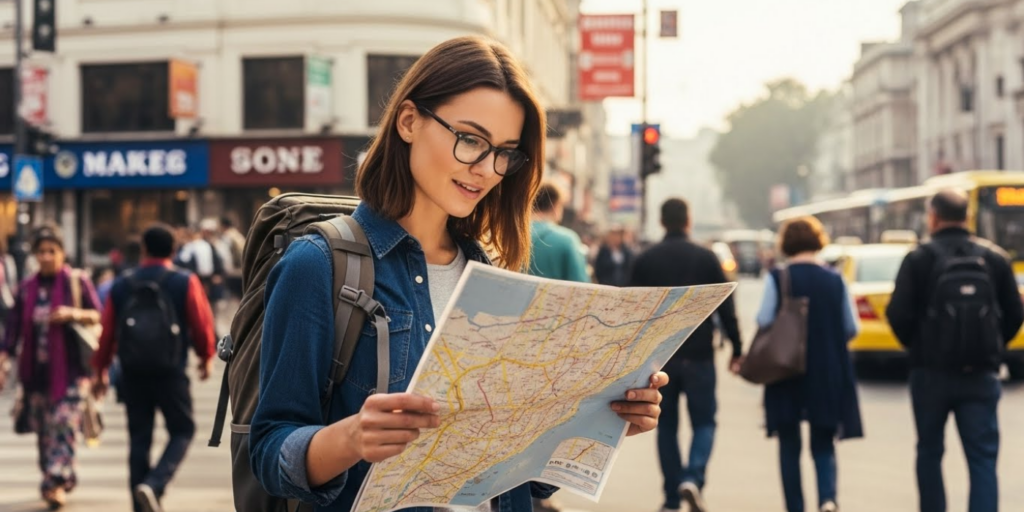
One of the most confidence-boosting solo travel experiences is simply getting around a new city by yourself—without a tour group, a friend, or even a detailed itinerary.
Think about it: you land in Lisbon with just a backpack, a phone, and a hostel address. You figure out public transit, ask for directions in broken Portuguese, and find your way to a tiny pastelaria for your first pastel de nata. Along the way, you might get lost, miss a turn, or misread a sign—but you keep going. And each small victory—catching the right tram, ordering food successfully, finding your hostel—builds a quiet inner strength.
Why it works: Solo urban navigation forces you to trust your instincts, adapt quickly, and solve problems in real time. There’s no one to defer to; you’re in charge. Over time, this rewires your brain to see uncertainty not as danger, but as opportunity.
Tips for success:
- Start in a safe, English-friendly city (like Amsterdam, Tokyo, or Vancouver) if it’s your first time
- Download offline maps (Google Maps or Maps.me)
- Carry a portable charger and a local SIM card or eSIM
- Give yourself grace—getting lost is part of the process
Many travelers say this experience alone—figuring out a city on their own—was the moment they stopped doubting their capability and started believing in it.
2. Staying in a Hostel or Shared Accommodation: Learning to Connect on Your Terms
For many solo travelers, the idea of staying in a hostel conjures images of noisy dorms and cramped bunk beds. But modern hostels—especially those catering to solo travelers—are designed for community without pressure.
Choosing a hostel with private rooms or female-only dorms (if that feels safer) lets you ease into social travel. Join a free walking tour, sign up for a communal dinner, or simply strike up a conversation in the kitchen. You’re not obligated to be “on”—you can engage as much or as little as you want.
The confidence boost comes from choice: you decide when to connect, with whom, and how deeply. This autonomy—paired with the joy of unexpected friendships—teaches you that you’re never truly alone, even when traveling solo.
Real impact: Sarah, a 28-year-old from Ohio, stayed at a hostel in Berlin and joined a pub crawl. She ended up hiking with two new friends in the Black Forest the next weekend. “I went from eating dinner alone to having travel buddies—all because I said ‘yes’ once,” she says.
Pro tip: Look for hostels with high ratings for cleanliness, safety, and social atmosphere (Hostelworld lets you filter by “great for solo travelers”).
3. Taking a Guided Group Tour (as a Solo Traveler)
It might seem counterintuitive—doing a group tour while traveling solo—but structured tours are one of the smartest confidence-builders for first-timers.
Why? They remove logistical stress (transport, bookings, language barriers) while still placing you in a group of fellow solo travelers. Companies like G Adventures, Intrepid Travel, or Contiki specialize in small-group adventures with a high percentage of solo participants.
You’ll hike Machu Picchu, explore Morocco’s medinas, or cruise the Greek islands—all with built-in companionship and expert guidance. The result? You experience the world deeply without the overwhelm of planning every detail.
The confidence gain: You prove to yourself that you can thrive in unfamiliar environments, even without a safety net of friends or family. Plus, group dynamics often spark friendships that last beyond the trip.
Bonus: Many tours offer no single-supplement fees for solo travelers, making them surprisingly affordable.
As one traveler put it: “I didn’t just see Petra—I stood in front of it with tears in my eyes, surrounded by people who’d become like family in 10 days. I never felt ‘alone’ once.”
4. Volunteering Abroad or Joining a Skill-Based Retreat
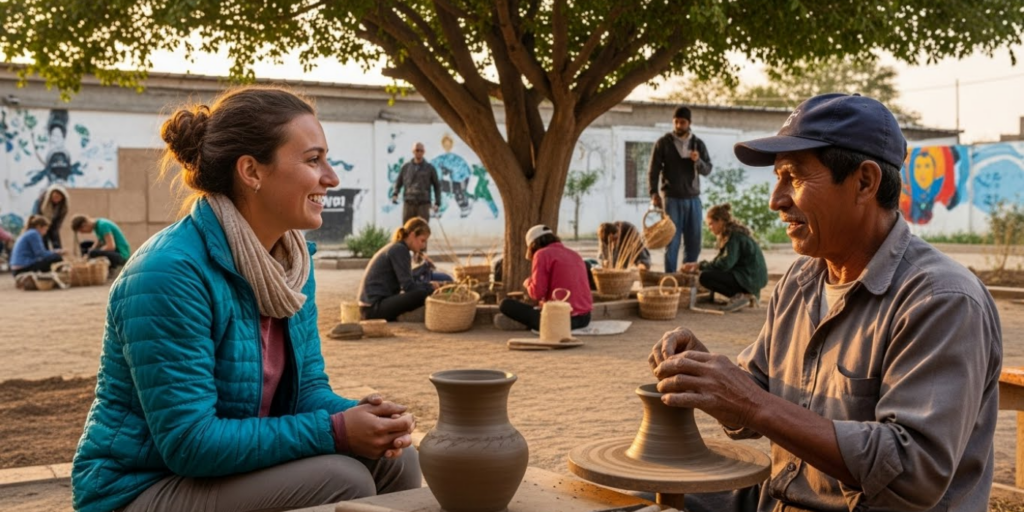
Solo travel becomes even more powerful when it’s purpose-driven. Volunteering on a sea turtle conservation project in Costa Rica, teaching English in Vietnam, or joining a yoga teacher training in Bali adds meaning to your journey—and deepens your connection to the place and people.
These experiences push you out of the “tourist” role and into active participation. You’re not just observing—you’re contributing. This shift fosters humility, empathy, and a sense of agency.
Confidence comes from competence: when you successfully lead a class, build a garden bed, or assist in a clinic, you internalize the belief that you have something valuable to offer the world.
Tips for safe, ethical volunteering:
- Choose organizations with transparent missions and long-term community ties
- Avoid “orphanage tourism” or unskilled short-term placements
- Consider work-exchange programs like Worldpackers or WWOOF for structured, reciprocal experiences
One solo traveler shared: “Planting trees in Portugal with locals taught me more about resilience—and my own strength—than any corporate job ever did.”
5. Embarking on a Multi-Day Hike or Adventure Trek
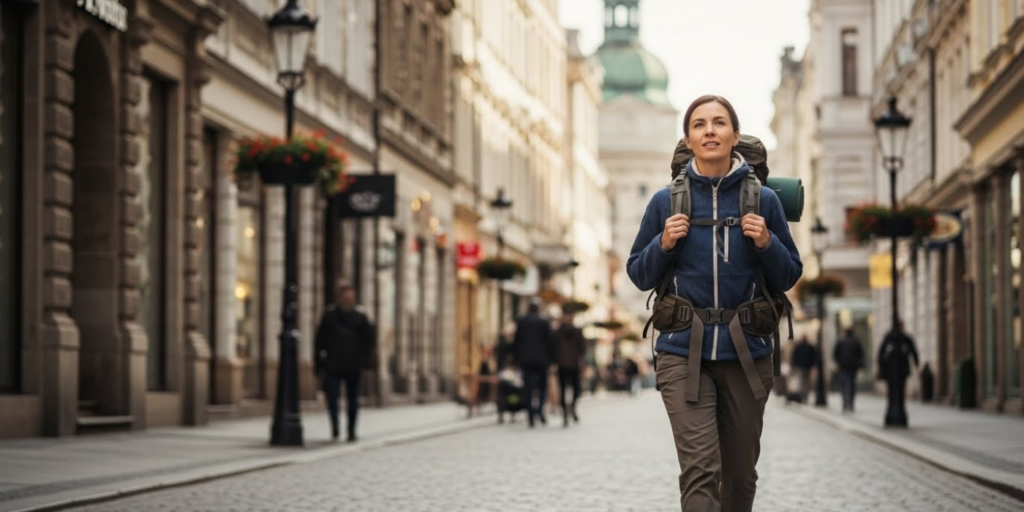
There’s something primal about walking for days with just a backpack and your thoughts. Whether it’s the Camino de Santiago in Spain, Torres del Paine in Chile, or the Pacific Crest Trail in the U.S., multi-day hikes strip life down to its essentials—and reveal your inner fortitude.
You wake up with sore muscles, eat simple meals, and fall asleep under stars. You meet fellow hikers from all walks of life, share stories around campfires, and support each other through rain or fatigue. But ultimately, you rely on yourself.
Why it builds unshakable confidence:
- You prove you can endure physical and mental challenges
- You learn to listen to your body and intuition
- You experience solitude without loneliness
Even if you’re not an athlete, many trails offer hut-to-hut options or guided support. The goal isn’t speed—it’s presence.
As one solo hiker said: “On day three of the Camino, I realized I wasn’t walking to Santiago—I was walking back to myself.”
6. Dining Alone and Embracing “Me Time” in Public
One of the most underestimated solo travel milestones? Eating a meal alone in a restaurant—without a book, phone, or distraction.
It sounds simple, but for many, it’s deeply uncomfortable at first. We’re conditioned to believe that being alone in public means being lonely. Solo travel flips that script.
Start small: coffee at a sidewalk café. Then lunch. Then dinner with a glass of wine and people-watching. Soon, you’ll find joy in the freedom—no compromises, no small talk, just pure presence.
The confidence lesson: You learn that your own company is enough. You’re not waiting for someone to complete the moment—you are the moment.
Pro tip: Choose restaurants with bar seating or outdoor tables—they feel more natural for solo diners. And remember: most people are too busy with their own lives to notice you.
How to Prepare for a Confidence-Boosting Solo Trip
Ready to take the leap? Start smart:
- Begin close to home: Try a weekend in a nearby city before flying overseas
- Tell someone your plans: Share your itinerary with a friend or family member
- Pack light: Less gear = more mobility and less stress
- Set an intention: “I’m going to say yes to one new thing each day”
- Practice solo moments at home: Eat dinner alone, go to a movie by yourself—normalize it
Remember: confidence isn’t the absence of fear—it’s moving forward despite it.
Conclusion
Solo travel doesn’t require extreme adventures to be transformative. Sometimes, the most powerful moments are quiet: ordering coffee in a language you’re still learning, finding your way after a wrong turn, or sitting peacefully in a foreign park as the world moves around you. These experiences teach you that you are capable, resourceful, and enough—just as you are.
The confidence you gain doesn’t vanish when your trip ends. It seeps into your daily life—making you more willing to take risks, speak up, and trust yourself in all areas. Solo travel isn’t an escape from life; it’s a rehearsal for living more boldly.
So if you’ve been hesitating, start small. Book that weekend trip. Say yes to the hostel. Walk into that restaurant alone. The world is waiting—not just to be seen, but to reflect back to you your own strength.
What solo travel experience changed your life? Or what’s one small step you’ll take toward your first solo adventure? Share in the comments—we’re all cheering you on! And if this guide inspired you, pass it along to someone who needs a little nudge toward their most confident self. Safe travels, brave soul.

Michael Thompson is an enthusiast of travel, restaurants, financial freedom, and personal performance. He enjoys discovering new destinations and exploring local cuisine while constantly working on self-improvement and independence. For Michael, life is about creating meaningful experiences, growing every day, and building a lifestyle that combines freedom, discipline, and curiosity.