
Introduction
You’ve mapped out your dream road trip—coastal drives, mountain passes, hidden villages—but then you see the car rental bill and your heart sinks. Hidden fees, confusing insurance options, and surprise damage charges can turn your adventure into a budget nightmare.
Here’s the good news: renting a car doesn’t have to be expensive or stressful. With the right insider knowledge, you can save hundreds of dollars, avoid common pitfalls, and even score free upgrades—all while driving with confidence.
In this guide, we’ll reveal the top car rental hacks used by frequent travelers, travel hackers, and industry insiders. From timing your booking to leveraging credit card benefits, skipping unnecessary insurance, and navigating foreign rental desks like a pro, these practical tips work whether you’re renting in Orlando, Oslo, or Osaka.
No fluff, no gimmicks—just real strategies that put money back in your pocket and peace of mind behind the wheel. Let’s turn your rental from a chore into a smart, seamless part of your journey.
1. Book Through the Right Channel—and at the Right Time
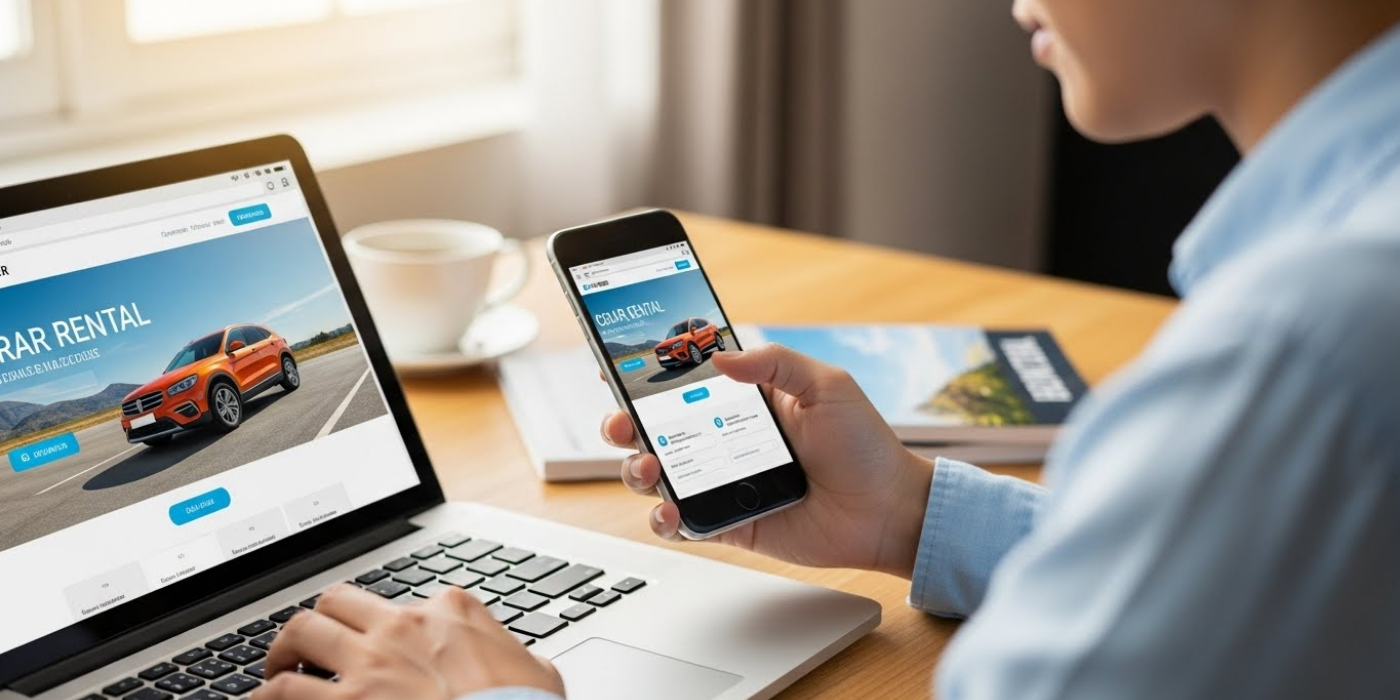
Not all booking platforms are created equal. In fact, where and when you book can slash your rental cost by 30% or more.
The Golden Rule:
Use comparison sites like Kayak, Rentalcars.com, or Auto Europe to find the lowest base rate—but always check the official rental company’s website too. Why? Many chains (like Hertz, Enterprise, or Avis) offer “Member Rates” or “Pay Now” discounts that aren’t listed on third-party sites.
Timing matters:
- Book 2–6 weeks in advance for the best selection and pricing.
- Avoid last-minute bookings unless you’re using apps like Turo (peer-to-peer) or Hotwire Hot Rates (for flexible plans).
- Rent mid-week (Tuesday–Thursday)—weekend and holiday rates spike due to leisure demand.
Real example:
Jessica needed a car in Denver for a ski trip. She found a $55/day rate on Kayak—but the Hertz website showed a $42/day “Gold Plus Rewards” rate for members (free to join). She saved $91 on a 7-day rental—just by checking directly.
Pro tip: Clear your browser cookies or use incognito mode when searching. While “dynamic pricing” based on cookies is largely a myth, it never hurts to browse privately.
2. Decline Rental Insurance (If You’re Already Covered)
This is where most travelers overpay—big time. Rental companies will aggressively push Collision Damage Waiver (CDW) or Loss Damage Waiver (LDW), often costing $20–$40/day. But you likely don’t need it.
Where you’re probably already covered:
✅ Premium credit cards: Cards like Chase Sapphire Preferred/Reserve, Amex Platinum, or Capital One Venture offer primary or secondary rental car insurance when you pay with the card and decline the rental company’s CDW.
✅ Personal auto insurance: Many U.S. policies extend coverage to rentals domestically—and sometimes internationally (call to confirm).
✅ Travel insurance: Comprehensive plans (e.g., World Nomads, Allianz) often include collision/theft protection.
Critical step:
Before your trip, call your credit card company and ask:
“Do I have primary rental car collision coverage when I rent in [country]?”
Get the answer in writing or note the agent’s name. Bring this info with you.
Warning: If you decline CDW, document the car thoroughly at pickup—photos and video of every scratch, dent, and tire. Email them to yourself for timestamped proof.
3. Use the “Free Upgrade” Trick (It Really Works)
Want a midsize car but get handed a full-size SUV for the same price? It happens more often than you think—especially if you know how to ask.
How to increase your chances:
- Join the rental company’s free loyalty program (e.g., Hertz Gold Plus, Enterprise Plus). Members often get priority for upgrades.
- Book a smaller car class (e.g., Compact or Intermediate). When demand is high, rental lots run out of small cars first—so they’ll upgrade you for free to clear inventory.
- Be polite at pickup—a friendly “Any chance of an upgrade today?” can work wonders, especially at smaller locations.
True story:
Mark booked an Economy car in Lisbon through Avis. At pickup, the agent said, “We’re out of small cars—would you like a free upgrade to a Mercedes C-Class?” He drove away in a luxury sedan for the price of a Honda Fit.
Note: Upgrades aren’t guaranteed—but they cost nothing to ask for, and often happen during low-season or off-peak weekdays.
4. Avoid Airport Rentals (When Possible)

Airport rental locations charge concession fees, tourism taxes, and “location premiums” that can inflate your bill by 20–50%.
Smart workaround:
Rent from a downtown or city-center location just a short ride away. Use public transit, a rideshare, or even walk if you’re staying nearby.
Example:
In Las Vegas, a 3-day rental at McCarran Airport cost $189. The same car at a downtown Enterprise (10-minute Uber ride) was $122—$67 saved, even after the $15 Uber fare.
Bonus: Non-airport locations are often less crowded, with shorter lines and more personalized service.
Exception: If you’re flying in and out of the same city with tight connections, airport convenience may be worth the extra cost. But for long stays or one-way trips, always compare.
5. Understand Fuel Policies—and Never Prepay
Rental companies love to upsell “prepaid fuel”—but it’s almost always a bad deal.
The scam:
You pay for a full tank upfront at $1–$2 more per gallon than local gas stations. Even if you return the car half-full, you don’t get a refund.
The smart move:
Choose the “Full-to-Full” policy:
- Take the car with a full tank
- Return it with a full tank
- Only pay for the gas you actually used
Pro tip:
Fill up at a station 1–2 miles from the rental office—not at the airport or tourist zones, where gas is marked up. Use Google Maps to find the cheapest nearby station.
Real savings:
In Orlando, prepaid fuel cost $65 for a compact car. Local gas was $32. That’s $33 down the drain for doing nothing.
6. Inspect the Car Like a Pro—At Pickup and Return
Rental companies count on distracted travelers skipping inspections. Don’t be that traveler.
At pickup:
- Walk around the car with an agent—point out every scratch, dent, and rim scuff.
- Check headlights, blinkers, tire tread, and spare tire.
- Take a 36–0 video with your phone, narrating any flaws (“Scratch on rear bumper, left side…”).
- Ensure the odometer and fuel gauge are recorded on your contract.
At return:
- Refill the tank before arriving.
- If possible, return during business hours so an agent walks the car with you.
- Get a signed receipt confirming the car was returned undamaged.
Red flag: If the agent refuses to note existing damage, take a different car. It’s not worth the risk.
7. Use Credit Card Perks Beyond Insurance
Your travel credit card is a secret weapon—beyond just insurance.
Powerful benefits to leverage:
- Hertz Gold Plus Rewards: Chase Sapphire cardholders get automatic Gold status (skip the counter, choose your car).
- Enterprise/Alamo/National Emerald Club: Amex Platinum members get Executive Elite status (free upgrades, priority service).
- Statement credits: Some cards (like Capital One Venture X) offer $100–$200 annual credits for car rentals.
How to activate:
Link your loyalty account to your credit card profile on the rental company’s website. Status often auto-enrolls.
Bonus: Many cards offer 2x–5x points on car rentals—stack that with airline or hotel points for future free trips.
8. Beware of Hidden Fees in Foreign Countries
Renting abroad adds layers of complexity—and cost.
Common international pitfalls:
- Mandatory insurance: In Mexico, CDW is required by law (but third-party liability may not be included).
- Toll transponders: In France or Portugal, if your car has an electronic toll tag, you’ll be billed later—with a $15–$25 admin fee.
- Cross-border fees: Driving from Germany to Austria? That’s often a $100+ charge unless pre-approved.
How to stay safe:
- Read the full terms before booking—look for “mandatory fees” or “required coverage.”
- Use Auto Europe or Rentalcars.com—they bundle international requirements transparently.
- When in doubt, call the local rental office directly (not the 800 number) to confirm policies.
Pro move: Download the rental company’s app—many (like Sixt or Europcar) let you manage your booking, see fees, and even unlock your car via smartphone.
Conclusion: Drive Smarter, Save Bigger
Car rentals don’t have to be a financial black hole. With these eight hacks—booking direct, using credit card insurance, chasing free upgrades, avoiding airport markups, mastering fuel policies, inspecting thoroughly, leveraging loyalty perks, and navigating international rules—you’ll save money, reduce stress, and drive with confidence.
Remember: the goal isn’t just the cheapest car—it’s the best value with zero surprises. A little preparation turns a transaction into a seamless part of your adventure.
So before your next trip, spend 15 minutes applying just one of these tips. Book through your card’s portal. Decline CDW. Choose a downtown location. Small moves lead to big savings over time.
Now we’d love to hear from you: What’s your best car rental hack? Have you ever scored a surprise upgrade or avoided a hidden fee? Share your story in the comments below! And if this guide saved you future dollars, pass it on to a fellow traveler planning their next road trip. Happy driving—and even happier savings!

Michael Thompson is an enthusiast of travel, restaurants, financial freedom, and personal performance. He enjoys discovering new destinations and exploring local cuisine while constantly working on self-improvement and independence. For Michael, life is about creating meaningful experiences, growing every day, and building a lifestyle that combines freedom, discipline, and curiosity.