Introduction
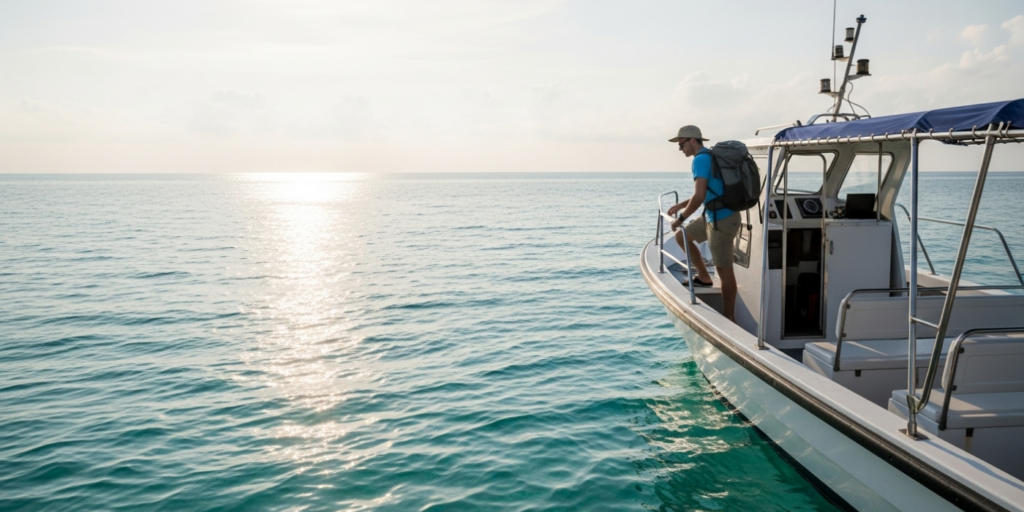
You’re standing on a sun-drenched dock in Greece, the Aegean Sea shimmering around you, as a small ferry chugs toward your next island paradise. Or maybe you’re in the Philippines, boarding a colorful outrigger boat bound for a white-sand cove only accessible by sea. Island-hopping is one of travel’s greatest joys—offering solitude, adventure, and breathtaking beauty.
But with that magic comes real responsibility: inter-island travel often involves unpredictable weather, informal operators, and limited emergency resources. A choppy sea, an unlicensed boat, or a missed connection can turn a dream trip into a dangerous ordeal.
The good news? With smart planning and local awareness, you can island-hop safely, smoothly, and sustainably. In this guide, we’ll walk you through practical, proven strategies to choose reliable transport, prepare for sea conditions, respect local regulations, and respond to emergencies—so you can focus on turquoise water and palm-fringed horizons, not worry.
Whether you’re exploring the Cyclades, the Maldives, or Hawaii, these tips will help you navigate island chains like a seasoned traveler—not a stranded tourist.
Research Island Transport Options Before You Go
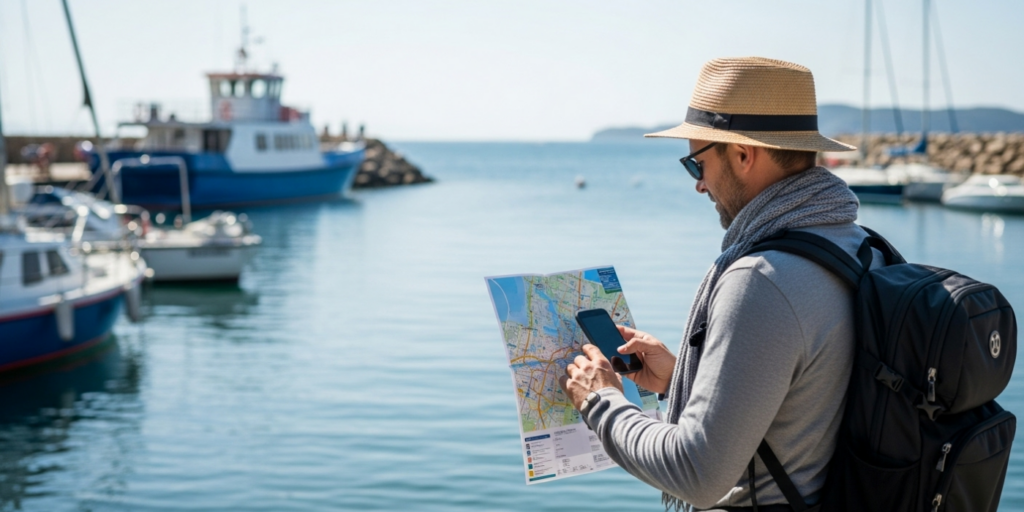
Not all island networks are created equal. In some places, ferries run like clockwork; in others, boats depart “when full” and vanish in rough seas. Knowing your options ahead of time is your first layer of safety.
Start by identifying the main types of inter-island transport in your destination:
- Public ferries: Government-regulated, scheduled, and usually affordable (common in Greece, Italy, Thailand).
- Private speedboats: Faster but pricier; vary widely in safety standards (common in the Philippines, Indonesia).
- Local water taxis: Informal but essential in remote areas—use only with verified operators.
- Chartered boats: Ideal for groups, but require vetting (check licenses and safety gear).
Use trusted resources:
- Official tourism websites (e.g., Greek Ferries, Philippine Ports Authority)
- Ferry booking platforms like Direct Ferries, Ferryhopper, or 12Go Asia
- Local travel forums (e.g., Reddit’s r/ThailandTravel, TripAdvisor regional boards)
Pro tip: Note the seasonal schedule. Many routes operate only in dry/warm months (May–October in the Mediterranean, November–April in Southeast Asia). Off-season, services may be canceled due to weather—don’t assume daily departures.
Also, check travel advisories from your government (e.g., U.S. State Department) for known risks like piracy, unlicensed operators, or unstable vessels in certain regions.
A little research prevents being stranded—or worse.
Choose Licensed, Reputable Operators—Every Time
This is non-negotiable: only use licensed, insured, and well-reviewed transport providers.
Why? Unregulated boats often lack life jackets, radios, or even basic navigation tools. In 2019, a capsized tourist boat in Indonesia killed 13 people—many because life vests were missing or unusable.
How to verify a safe operator:
- Look for company branding, official websites, and physical offices (not just beach touts).
- Check for government licensing (e.g., in Greece, ferries display a “Ministry of Shipping” plaque).
- Read recent reviews on Google or TripAdvisor—watch for phrases like “felt unsafe” or “no life jackets.”
- Ask your hotel or Airbnb host: “Which ferry company do you use for your family?”
Red flags to avoid:
- Boats overloaded with passengers or gear
- No visible life jackets (or ones that are torn/moldy)
- Captain operating phone or drinking before departure
- Vessel appears rusty, damaged, or poorly maintained
When in doubt, pay more for safety. A 20% price difference is worth peace of mind—and your life.
And always book in advance during high season. Last-minute tickets may force you onto overcrowded or lower-tier boats.
Prepare for the Conditions: Weather, Seasickness, and Gear
The sea doesn’t care about your itinerary. Respecting its power is key to safe travel.
Check the forecast religiously:
- Use marine-specific apps like Windy, PredictWind, or local port authority alerts.
- In tropical zones, watch for sudden storms, monsoons, or typhoon warnings.
- In temperate zones (like the Greek islands), meltemi winds in July–August can cancel ferries for days.
Combat seasickness:
- Take dramamine or scopolamine patches 30–60 minutes before boarding.
- Sit in the middle of the boat (least motion), face forward, and focus on the horizon.
- Avoid heavy meals or alcohol beforehand—opt for crackers or ginger chews.
Pack a “boat day” kit:
- Waterproof phone case or dry bag
- Reef-safe sunscreen and hat
- Reusable water bottle
- Light rain jacket (even on sunny days)
- Cash in local currency (many small boats don’t take cards)
Wear smart clothing:
- Non-slip sandals or water shoes (decks get wet!)
- Quick-dry fabrics (cotton stays wet and cold)
- Layers (it’s often cooler on open water)
Remember: conditions can change fast. If a captain cancels a trip due to weather, don’t argue—thank them. They’re prioritizing safety over profit.
Understand Local Rules, Customs, and Emergency Protocols
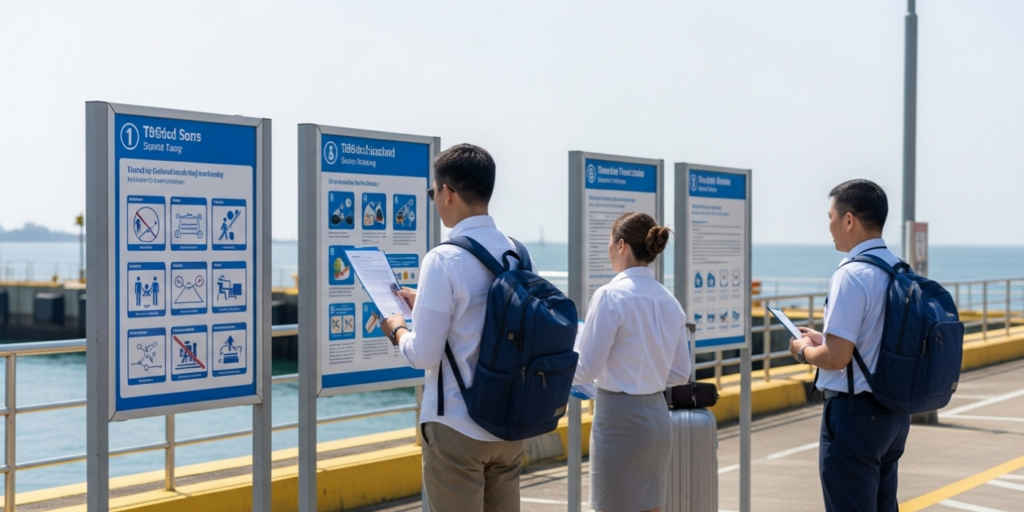
Island communities often have unique regulations—and ignoring them can put you at risk.
Visa and entry rules: In some countries (like Indonesia or the Maldives), each island may have its own entry requirements. You might need a special permit for protected areas (e.g., Komodo National Park) or face fines for unauthorized landings.
Environmental protections: Many islands ban single-use plastics, drones, or coral touching. Follow them—not just to avoid fines, but to protect fragile ecosystems.
Cultural respect: In conservative islands (like parts of the Philippines or Greek monasteries), modest dress is required even on beaches near villages.
Emergency preparedness:
- Save local emergency numbers (e.g., 112 in EU, 911 in U.S. territories).
- Know the nearest hospital or clinic—many small islands have only basic first aid.
- Share your itinerary with someone back home: “Taking the 10 a.m. ferry from Mykonos to Paros—expect me by 12.”
If your boat breaks down:
- Stay calm and put on a life jacket.
- Use a whistle or phone flashlight to signal.
- Do not jump unless the boat is sinking—swimming in open water is extremely dangerous.
Most importantly: listen to your captain. They know local currents, hidden rocks, and weather patterns you don’t.
Bonus Tips: Sustainable and Smart Island-Hopping Habits
Traveling safely also means traveling responsibly.
- Avoid overcrowded “party islands” that strain local resources—opt for lesser-known gems.
- Support community-run ferries or eco-boats that employ locals and use cleaner engines.
- Never feed marine life or touch coral—disturbing wildlife can trigger dangerous animal behavior.
- Carry out all trash—many islands lack waste infrastructure.
Pro packing tip: Bring a collapsible tote for souvenirs or wet swimwear—keeps your main bag organized and reduces plastic use.
And travel slow. Rushing between five islands in three days leads to fatigue and poor decisions. Choose 2–3 islands and savor them. Safety thrives in mindfulness, not speed.
Conclusion
Traveling safely between islands isn’t about fear—it’s about respect: for the sea, for local communities, and for your own well-being. By researching transport options, choosing licensed operators, preparing for conditions, and honoring local rules, you protect yourself while preserving the magic of island life for future travelers.
We’ve covered how to navigate schedules with confidence, spot unsafe vessels, gear up for the elements, and respond wisely in emergencies. These habits don’t just keep you safe—they deepen your connection to the places you visit.
Because the best island adventures aren’t just about stunning views—they’re about returning home with stories of wonder, not worry.
So before your next island hop, check the forecast, book with a trusted operator, and pack that dry bag. The sea is calling—but answer it wisely.
Now we’d love to hear from you: What’s your most memorable (or cautionary) island-hopping experience? Did a local tip or weather check save your trip? Share your story or best safety tip in the comments below—your insight could help a fellow traveler sail smoothly on their next island adventure! 🌴🚤🌊✨

Michael Thompson is an enthusiast of travel, restaurants, financial freedom, and personal performance. He enjoys discovering new destinations and exploring local cuisine while constantly working on self-improvement and independence. For Michael, life is about creating meaningful experiences, growing every day, and building a lifestyle that combines freedom, discipline, and curiosity.