Introduction
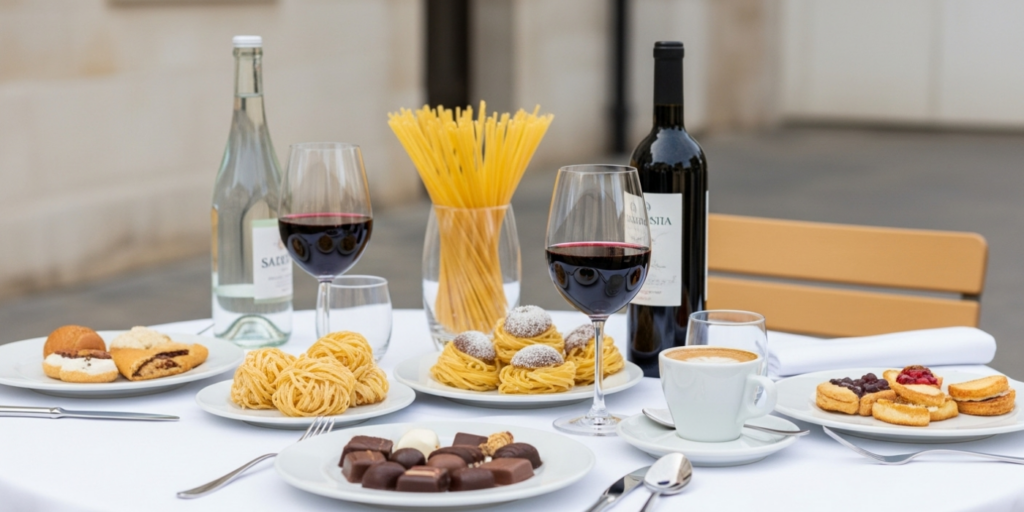
Close your eyes and imagine this: a silken ribbon of handmade tagliatelle draped in rich, slow-cooked ragù, paired with a glass of ruby-red Barolo from rolling Piedmontese hills. The scent of saffron risotto wafts through a centuries-old trattoria in Milan, while just hours away, the crisp Alpine air carries the aroma of speck and polenta from a wooden chalet in the Dolomites.
This is Northern Italy—a culinary paradise where geography, history, and tradition collide to create some of the world’s most beloved dishes and wines. Unlike the tomato-heavy fare of the south, the north celebrates butter over olive oil, rice over pasta, and aged cheeses that tell stories of mountain pastures and family dairies.
But how do you experience this bounty without getting lost in tourist traps or missing the true flavors of the region?
In this guide, we’ll take you on a 7-day gastronomic journey through Northern Italy, stopping in key food capitals—Turin, Milan, Bologna, Parma, and Verona—where every meal is a lesson in terroir, technique, and passion. You’ll taste iconic dishes at their source, sip world-class wines, and even meet local artisans.
So loosen your belt, bring your curiosity, and get ready to eat your way through la dolce vita—Northern Italian style.
Day 1: Turin – Where Chocolate, Coffee, and Truffles Reign
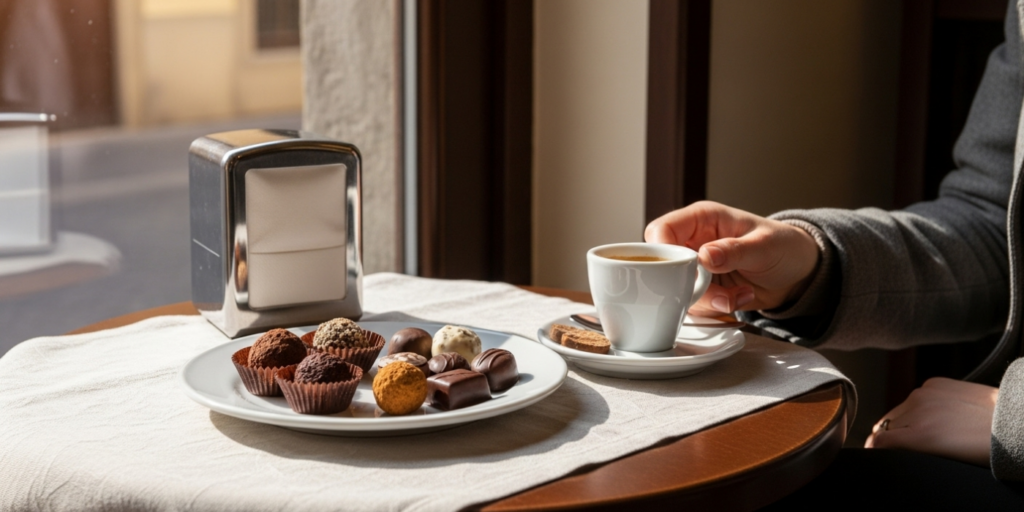
Begin your journey in Turin (Torino), the elegant capital of Piedmont—a region famed for its white truffles, Barolo wine, and refined culinary heritage.
Start your morning like a local: with a bicerin, a decadent layered drink of espresso, hot chocolate, and whipped cream, at Caffè al Bicerin, a historic café dating back to 1763. Pair it with a pasta di meliga (cornmeal cookie).
Then, explore Porta Palazzo, Europe’s largest open-air market. Wander through stalls of fresh porcini mushrooms, wheels of Castelmagno cheese, and—during fall—white Alba truffles (even a tiny sliver costs a fortune, but sniffing one is free!).
Lunch: Head to Ristorante del Cambio, where chef Matteo Baronetto reinterprets Piedmontese classics like agnolotti del plin (tiny stuffed pasta) and vitello tonnato (veal with tuna-caper sauce).
In the afternoon, tour a chocolate shop—Turin invented Italy’s solid chocolate in the 1800s. Try Guido Gobino for gianduja (hazelnut-chocolate paste) or cremini (layered chocolate-hazelnut squares).
Dinner: Dine at Ristorante Consorzio, a modern osteria with an all-Piedmont wine list. Order tajarin (egg-rich pasta) with butter and sage, followed by brasato al Barolo (beef braised in red wine).
Pro tip: Visit in October or November for the Alba White Truffle Fair—but book everything months in advance.
Turin sets the tone: refined, earthy, and deeply rooted in seasonal luxury.
Day 2: Milan – Risotto, Aperitivo, and Culinary Innovation
Take a short train (1.5 hours) to Milan, Italy’s fashion and finance hub—with a surprisingly rich food culture beneath its polished surface.
Your mission: risotto alla Milanese, the city’s golden signature dish, flavored with saffron and bone marrow. The best version? At Ratanà, a stylish yet authentic spot near Porta Volta. Theirs is creamy, deeply savory, and never stiff.
Before lunch, visit Eataly Milano or the Mercato Centrale in Piazza Repubblica to sample local cheeses like Taleggio and cured meats like bresaola.
Afternoon: Stroll through the Brera district, then settle into the Italian ritual of aperitivo (around 6–8 p.m.). At N’Ombra de Vin, enjoy a Negroni or Aperol spritz with complimentary bites—often a full buffet!
Dinner: For something unexpected, try Luogo Comune, a trendy spot blending Italian ingredients with global techniques. Or stay classic at Trattoria Milanese, where nonna-style cooking meets city charm.
Don’t skip: Panettone—Milan’s Christmas cake—but many bakeries (like Pasticceria Marchesi) sell mini versions year-round.
Milan proves that even in a fast-paced metropolis, slow food and long conversations still rule the table.
Day 3–4: Bologna – The Soul of Italian Pasta
Travel 2 hours south by train to Bologna, the culinary heart of Emilia-Romagna and home to Italy’s most iconic comfort foods.
Known as La Grassa (“The Fat One”), Bologna is where ragù, tortellini, and mortadella were perfected. And yes—authentic “spaghetti Bolognese” doesn’t exist; locals serve ragù with tagliatelle.
Morning: Join a pasta-making class at Casa Bologna or Le Sfogline, where nonnas teach you to roll sfoglia (pasta dough) by hand. You’ll make tortellini in brodo (stuffed pasta in broth)—a dish of humble origins with royal status.
Lunch: Eat your handmade pasta, or try Trattoria da Gianni for legendary lasagna verde (layered with spinach pasta).
Afternoon: Visit Salumeria Simoni, a historic deli, to taste mortadella (the original Bologna sausage) and prosciutto di Parma.
Dinner: At Osteria dell’Orsa, a student-friendly favorite, order gramigna alla salsiccia (ridged pasta with sausage) and a local Lambrusco wine—fruity, fizzy, and surprisingly versatile.
Day 4 bonus: Take a day trip to Modena (30 mins by train) to tour a balsamic vinegar acetaia. True Aceto Balsamico Tradizionale ages for 12–25 years in wooden barrels—thick, complex, and worth every drop.
Bologna reminds us that great food isn’t fancy—it’s honest, generous, and made with love.
Day 5: Parma – The Kingdom of Cheese and Ham
From Bologna, it’s just a 1-hour train to Parma, a smaller but mighty food capital.
Here, two ingredients reign supreme: Parmigiano Reggiano and Prosciutto di Parma. Both are protected by strict DOP regulations—meaning they can only be made in this region, using traditional methods.
Morning: Tour a Parmigiano Reggiano dairy (like Caseificio Rosola). Watch wheels aged for 24–36 months being tested with a hammer and needle—a 900-year-old quality control method!
Then, visit a prosciutto cellar (like Salumificio Garilli), where hams cure for 12–24 months, developing their sweet, nutty flavor.
Lunch: At Trattoria Corrieri, order anolini in brodo (stuffed pasta) and a tagliere (charcuterie board) featuring both stars of Parma.
Afternoon: Stroll through the Teatro Farnese and Parma Cathedral, then indulge in a scoop of Parmigiano gelato at Gelateria Dalla Nonna—yes, it’s as delicious as it sounds.
Dinner: Try Inkiostro, a modern bistro that reinvents local ingredients—think prosciutto foam or Parmesan crisps.
Parma is a masterclass in simplicity elevated by time and tradition.
Day 6: Verona – Wine, Romance, and Rustic Flavors
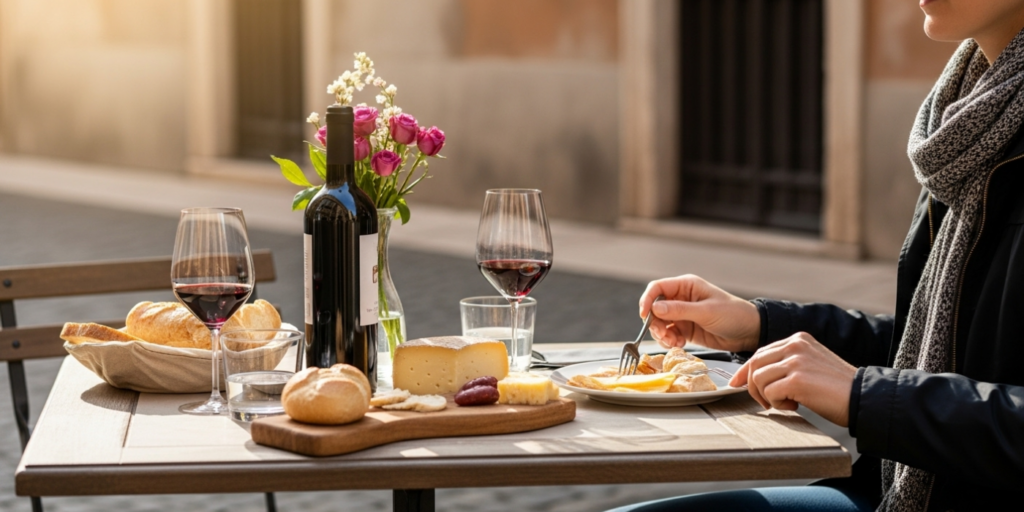
End your journey in Verona, Shakespeare’s city of lovers—and home to bold red wines and rustic Veneto cuisine.
This region is all about polenta, bigoli (thick whole-wheat pasta), and Amarone wine—made from dried grapes for intense, raisin-like depth.
Lunch: At Antica Bottega del Vino, dine in a 14th-century wine cellar. Order bigoli all’anatra (duck ragù pasta) with a glass of Valpolicella Ripasso.
Afternoon: Tour the Valpolicella wine region (just 20 minutes away). Visit Allegrini or Masi for tastings of Amarone, Recioto, and lighter Valpolicella.
Dinner: At 12 Apostoli, one of Italy’s oldest restaurants (since 1500!), savor risotto all’Amarone—creamy rice infused with wine—and braised beef cheek.
Sweet finish: Try pandoro, Verona’s golden Christmas cake, dusted with powdered sugar like snow.
Verona blends romance, history, and hearty mountain-to-vineyard flavors—a fitting finale.
Bonus Tips for a Seamless Culinary Journey
- Transport: Trains connect all these cities efficiently. Get a Trenitalia Pass for multi-day travel.
- Reservations: Book popular restaurants (especially in Bologna and Parma) days or weeks ahead.
- Markets: Visit weekday morning markets for the freshest produce and local interaction.
- Tastings: Most dairies and wineries require advance booking—check websites or ask your hotel.
- Language: Learn a few phrases: “Posso assaggiare?” (“Can I taste?”) goes a long way.
And remember: lunch is 12:30–2:30 p.m., dinner starts at 7:30–8:00 p.m. Many places close between meals.
Conclusion
A gastronomic journey through Northern Italy isn’t just about eating—it’s about understanding how land, climate, and centuries of craftsmanship shape what ends up on your plate. From truffle-scented hills to vinegar lofts and alpine pastures, every bite tells a story of pride, patience, and place.
This itinerary gives you more than meals—it offers moments of connection: with farmers, chefs, and the slow, sacred rhythm of Italian life. You’ll leave not just full, but deeply enriched.
So whether you’re rolling pasta with a nonna or sipping Amarone under Verona’s stars, savor every second. Northern Italy’s table is set—and you’re invited.
Which dish are you most excited to try? Have you visited any of these food regions—or do you have a favorite Italian specialty from the north? Share your thoughts in the comments below! And if this guide made your mouth water, pass it on to a fellow food lover dreaming of their next Italian escape. Buon viaggio e buon appetito! 🍝🍷🇮🇹
Michael Thompson is an enthusiast of travel, restaurants, financial freedom, and personal performance. He enjoys discovering new destinations and exploring local cuisine while constantly working on self-improvement and independence. For Michael, life is about creating meaningful experiences, growing every day, and building a lifestyle that combines freedom, discipline, and curiosity.