Introduction
Imagine stepping into a city where thousand-year-old temples nestle between neon-lit skyscrapers, where quiet tea ceremonies coexist with robot restaurants, and where the world’s busiest pedestrian crossing somehow feels orderly and serene. Welcome to Tokyo—a metropolis that defies expectations at every turn.
Planning a trip to Tokyo can feel overwhelming. With 14 million residents, intricate subway lines, and layers of culture both ancient and ultra-modern, it’s easy to wonder: Where do I even begin? The good news? Seven days is enough time to experience the soul of this incredible city—without burning out.
In this guide, we’ll walk you through a balanced, realistic, and deeply rewarding 7-day Tokyo itinerary. You’ll explore historic shrines, savor world-class sushi, wander quirky neighborhoods, and even take a day trip to iconic Mount Fuji—all while navigating like a local. We’ve included practical tips on transport, timing, food, and etiquette so you can focus on what matters: soaking in every unforgettable moment.
Pack your curiosity (and your comfy walking shoes)—your Tokyo adventure starts now.
Day 1: Arrival & First Steps in Shinjuku
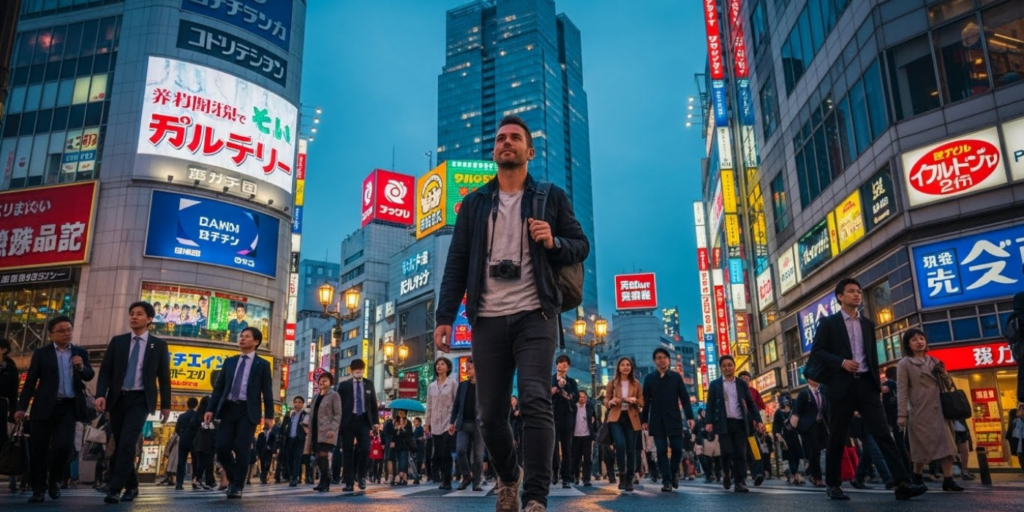
After your flight, ease into Tokyo with a gentle first day. Most international travelers arrive at Narita (NRT) or Haneda (HND) Airport. Take the Narita Express or Keikyu Line to central Tokyo—both are efficient, comfortable, and covered by the Japan Rail Pass if you have one.
Check into a hotel in Shinjuku, one of Tokyo’s best-connected neighborhoods. Drop your bags, then head to Shinjuku Gyoen National Garden—a peaceful oasis blending Japanese, English, and French landscaping styles. It’s the perfect antidote to jet lag.
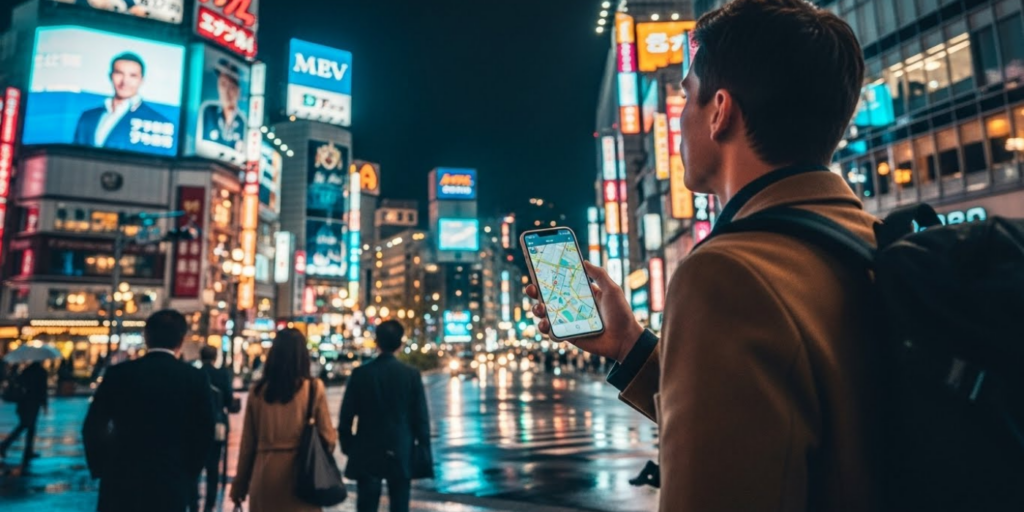
As evening falls, explore Shinjuku’s neon heart:
- Walk through Kabukicho (Tokyo’s famous entertainment district—stick to main streets)
- Snap photos at the Shinjuku Metropolitan Government Building (free 45th-floor observation deck with skyline views)
- Grab dinner at Omoide Yokocho (“Memory Lane”), a narrow alley packed with tiny izakayas serving yakitori and cold beer
Pro tip: Buy a Pasmo or Suica IC card at the airport—it’s your tap-and-go key to trains, buses, and even vending machines.
This low-key start helps you adjust while still experiencing Tokyo’s electric energy.
Day 2: Historic Asakusa & Modern Akihabara
Start your morning in Asakusa, Tokyo’s traditional soul. Visit Senso-ji Temple, the city’s oldest Buddhist temple, and stroll down Nakamise-dori, a 300-year-old shopping street selling matcha snacks, folding fans, and lucky charms.
Don’t miss the Asakusa Culture Tourist Information Center—its 8th-floor observation deck offers free panoramic views of the temple and Tokyo Skytree.
After lunch (try menchi-katsu—deep-fried minced meat cutlets), hop on the Ginza Line to Akihabara, Tokyo’s electric town. By afternoon, Akihabara buzzes with:
- Multi-floor electronics stores (Yodobashi Camera, Sofmap)
- Anime and manga shops (Mandarake, Animate)
- Themed cafés (maid cafés, robot cafés—go for the experience!)
Cultural note: While maid cafés are tourist-friendly, be respectful—photos often require extra fees, and staff are performers, not servers.
End your day with dinner at a standing sushi bar or a retro gaming café where you can play classic Sega games with a coffee.
This day beautifully contrasts Tokyo’s reverence for tradition and its embrace of the future.
Day 3: Harajuku, Shibuya & Urban Energy
Tokyo’s youth culture comes alive in Harajuku and Shibuya—two neighboring districts packed with style, sound, and street food.
Begin at Meiji Jingu, a serene Shinto shrine surrounded by forest, right next to Harajuku Station. It’s a spiritual reset amid urban chaos.
Then, dive into Takeshita Street, Harajuku’s pedestrian alley famous for:
- Rainbow-colored cotton candy
- Crepes stuffed with fruit and whipped cream
- Quirky fashion boutiques and quirky souvenirs
Walk 15 minutes to Shibuya to experience the legendary Shibuya Scramble Crossing. For the best view, head to the Magnet by Shibuya 109 rooftop or the Shibuya Sky observation deck (book tickets in advance!).
Spend your afternoon browsing:
- Shibuya Parco (a fashion-forward mall with Nintendo Tokyo and anime shops)
- Miyashita Park (a rooftop urban park with trendy shops and food stalls)
Dinner idea: Try ichiran ramen (a solo-booth ramen experience) or Uobei Sushi, a high-tech conveyor belt sushi spot where you order via tablet.
Insider tip: Visit Shibuya Sky at sunset—it’s magical, but reservations are essential.
This day captures Tokyo’s vibrant pulse—and its endless capacity for reinvention.
Day 4: Day Trip to Hakone & Mount Fuji Views
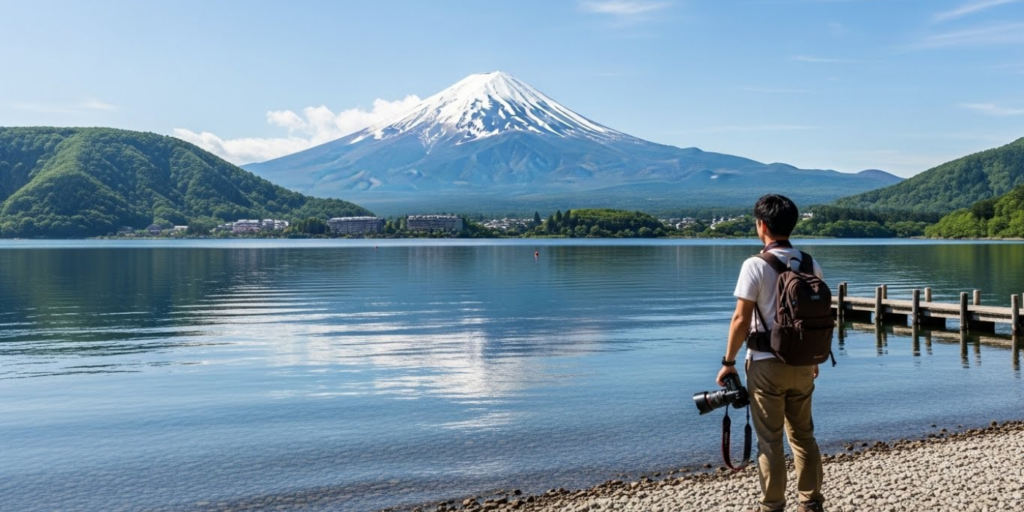
No Tokyo trip feels complete without a glimpse of Mount Fuji. While climbing it takes days, you can admire its majestic cone on a scenic day trip to Hakone.
Take the Odakyu Romancecar from Shinjuku to Hakone-Yumoto (covered by the Hakone Free Pass, which includes all local transport for 2 days).
Your Hakone loop includes:
- Lake Ashi cruise – with Fuji views (weather permitting)
- Hakone Ropeway – soaring over volcanic Owakudani Valley
- Open-Air Museum – Japan’s first outdoor sculpture park
- Onsen (hot spring) relaxation – many ryokans offer day-use baths
Important: Fuji is only visible on clear days—check the forecast. Even if it’s cloudy, Hakone’s hot springs and mountain scenery are worth it.
Return to Tokyo by early evening. Keep dinner light—maybe convenience store onigiri or a quiet soba noodle shop.
This day offers nature, culture, and that iconic Japanese symbol: Fuji-san.
Day 5: Refined Tokyo – Ginza, Tsukiji & Ueno
Shift gears to Tokyo’s elegant side with a day in Ginza and Ueno.
Start at Tsukiji Outer Market (the inner wholesale market moved to Toyosu, but the outer market remains). Sample:
- Fresh tamagoyaki (sweet omelet)
- Uni (sea urchin) on rice
- Mochi and matcha treats
Then head to Ginza, Tokyo’s luxury district. Even if you’re not buying, window-shopping is an experience:
- Mitsukoshi and Itoya (a 12-floor stationery paradise)
- Uniqlo Ginza (12 floors of affordable fashion)
- Itōchu Garden (a hidden rooftop garden above a department store)
After lunch (try a Michelin-starred soba spot or affordable tempura), take the Hibiya Line to Ueno.
In Ueno, choose your adventure:
- Ueno Park: Home to Tokyo National Museum, Ameya-Yokocho market, and cherry blossoms in spring
- Ueno Zoo: Japan’s oldest zoo (pandas included!)
- Shinobazu Pond: A peaceful retreat with a Bentendo temple on a small island
Dinner: Eat like a local at an izakaya in Ameya-Yokocho, where street vendors grill seafood and yakitori under red lanterns.
This day blends refinement with authentic neighborhood charm.
Day 6: Offbeat Tokyo – Yanaka, TeamLab & Roppongi
Explore Tokyo’s quieter, artistic side today.
Begin in Yanaka, one of the few neighborhoods that survived WWII bombings. Wander:
- Yanaka Ginza: A nostalgic shopping street with handmade snacks and cats lounging in shop windows
- Tomb streets: Peaceful alleys lined with centuries-old graves and temples
- Scai the Bathhouse: A contemporary art gallery in a restored sentō (public bath)
After lunch (try menchi-katsu or nerikomi sweets), head to Odaiba or Azabudai Hills for teamLab Planets—an immersive digital art museum where you walk through water, light, and infinite flowers. Book tickets weeks in advance!
In the evening, explore Roppongi:
- Mori Art Museum (contemporary Asian art + city views)
- Tokyo Midtown (designer shops and lush gardens)
- Or unwind at a rooftop bar like New York Bar (from Lost in Translation)
Alternative: If you prefer nightlife, Roppongi offers everything from jazz clubs to international pubs.
This day shows Tokyo’s depth beyond the postcard sights.
Day 7: Final Souvenirs & Reflection in Odaiba
Use your last morning to pick up souvenirs and reflect on your journey.
Return to a favorite neighborhood or visit Nakano Broadway (less touristy than Akihabara, great for anime collectibles) or Kappabashi Street (Tokyo’s kitchenware district—buy plastic food replicas or chef knives).
For a futuristic finale, head to Odaiba, a man-made island in Tokyo Bay:
- See the life-size Unicorn Gundam statue (check for transformation times!)
- Walk across Rainbow Bridge views
- Relax at Oedo Onsen Monogatari, a hot spring theme park (open until midnight—perfect for pre-flight relaxation)
Have a final meal at Sushi Zanmai (24-hour sushi) or Ichiran—then head to the airport with your heart full and your suitcase slightly heavier.
Final Thoughts: Tokyo Leaves Its Mark
Tokyo isn’t just a city you visit—it’s one you feel. From the hush of a temple garden to the roar of a Shibuya crossing, it teaches you to embrace contrasts, find beauty in details, and move through chaos with calm.
This 7-day itinerary gives you structure—but leave room for spontaneity. Get lost in a side street. Chat with a shopkeeper. Try that weird vending machine drink. Those unplanned moments often become your most cherished memories.
Conclusion
Over seven days, you’ve journeyed through Tokyo’s many layers: historic temples, cutting-edge districts, natural escapes, and hidden neighborhoods. You’ve tasted its flavors, navigated its transit, and glimpsed the harmony between old and new that defines Japanese culture.
This itinerary is your roadmap—but your journey is uniquely yours. Whether you’re marveling at Mount Fuji, bowing before a shrine, or laughing over a robot show, you’re not just seeing Tokyo. You’re experiencing it.
Now we’d love to hear from you! What surprised you most about Tokyo? Is there a neighborhood you’d add to this itinerary? Share your tips, questions, or dream Tokyo moments in the comments below! And if this guide helped you plan your trip, please share it with a fellow traveler. Safe journeys—and may your Tokyo adventure be unforgettable.

Michael Thompson is an enthusiast of travel, restaurants, financial freedom, and personal performance. He enjoys discovering new destinations and exploring local cuisine while constantly working on self-improvement and independence. For Michael, life is about creating meaningful experiences, growing every day, and building a lifestyle that combines freedom, discipline, and curiosity.